REVIEW · CHICAGO
Chicago: Architecture Center Cruise on Chicago’s First Lady
Book on GetYourGuide →Operated by CAC with CFL · Bookable on GetYourGuide
A 90-minute cruise that explains Chicago’s skyline fast. I love the open-air upper decks with true 360-degree sightlines, and I also love the Chicago Architecture Center docent narration that turns buildings into stories you can actually picture. The one trade-off: this is a popular departure, so tours can sell out, and late arrival can mean you’re turned back with no refund.
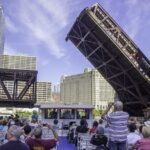
You’ll start at the Riverwalk, right by the Michigan Avenue bridge area where the river becomes a living “canyon” of design and engineering. If you’re the type who likes your sightseeing with context, this cruise is built for you, with live commentary in English and a route that covers more than just the main river stretch.
Weather is rarely a deal-breaker here. You’ll have open and covered seating on the boat, plus indoor salons with climate control where you can buy snacks and drinks. Add a Chicago Architecture Center (CAC) general admission ticket for $5 and you’ve got an easy bookend to your day.
In This Review
- Key things I’d plan around
- Chicago River Views From the First Lady’s Upper Decks
- Live CAC Docents Explain Buildings Like You’re From Chicago
- The Three-Branch Route: Why This Tour Feels More Complete
- Open-Air Views vs. Indoor Comfort (and a Smart Weather Plan)
- Price and Value: Why $57 Can Actually Make Sense
- Where You Board and How to Not Stress Before Departure
- Who This Cruise Fits Best (and Who Might Skip It)
- Should You Book the Chicago Architecture Center River Cruise?
- FAQ
- How long is the Chicago Architecture Center cruise on Chicago’s First Lady?
- Is the narration live, and is it available in English?
- Where do I check in for Chicago’s First Lady?
- Do I get guaranteed seating on the upper deck?
- Can I buy food and drinks onboard?
- Does the cruise run if it’s raining?
- Can I add Chicago Architecture Center admission to the ticket?
- Is the boat dock accessible for wheelchair users?
Key things I’d plan around
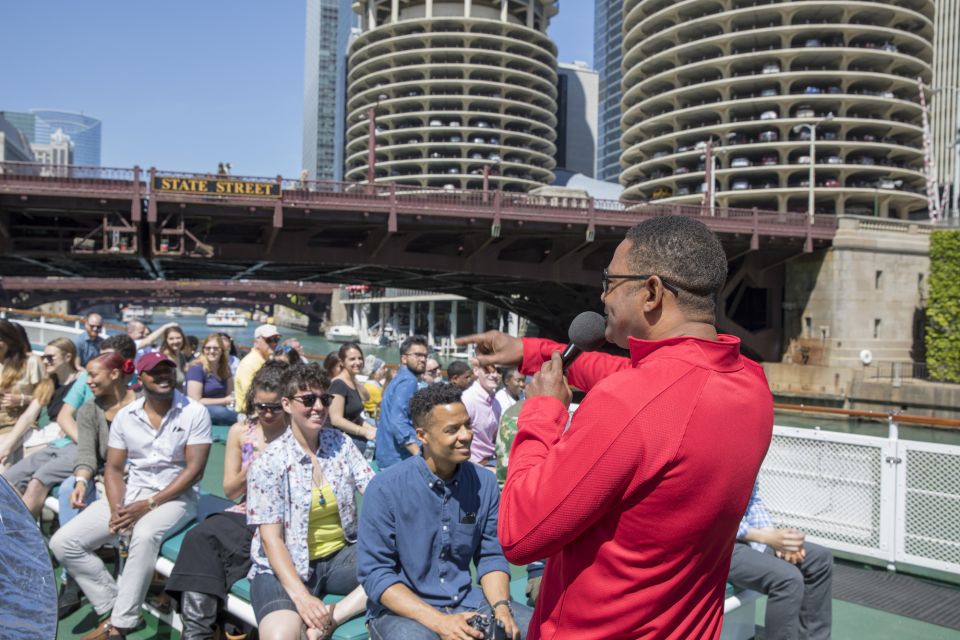
- Guaranteed upper-deck seating so you’re not stuck staring at shoulders for 90 minutes
- CAC-trained volunteer docents telling the stories behind major styles along the river
- Three river branches for a fuller view than the usual straight-shot skyline cruise
- More than 50 buildings and 13 bascule bridges explained as you pass them
- Rain-or-shine setup with open-air views plus covered seating and indoor AC
- Optional CAC entry for $5 (normal admission is $14)
Chicago River Views From the First Lady’s Upper Decks
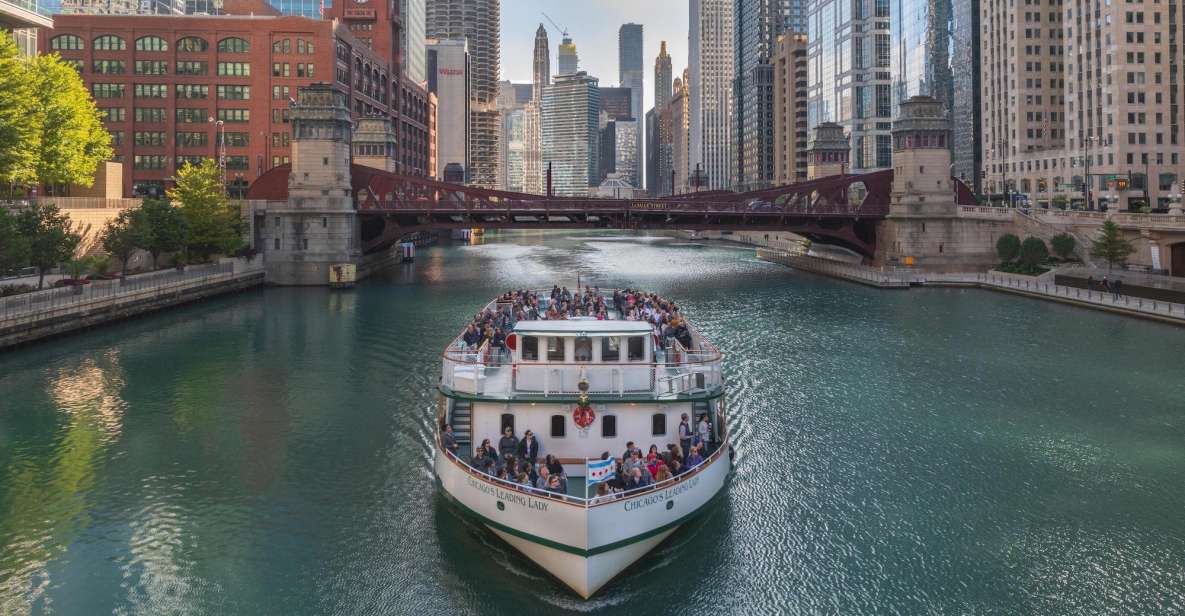
The Chicago River changes your perspective quickly. From street level, it can feel like just another city feature. From the water, it becomes the organizing principle for the skyline—how the city grew, what it valued, and how engineering shaped everyday life.
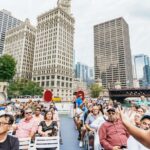
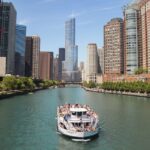
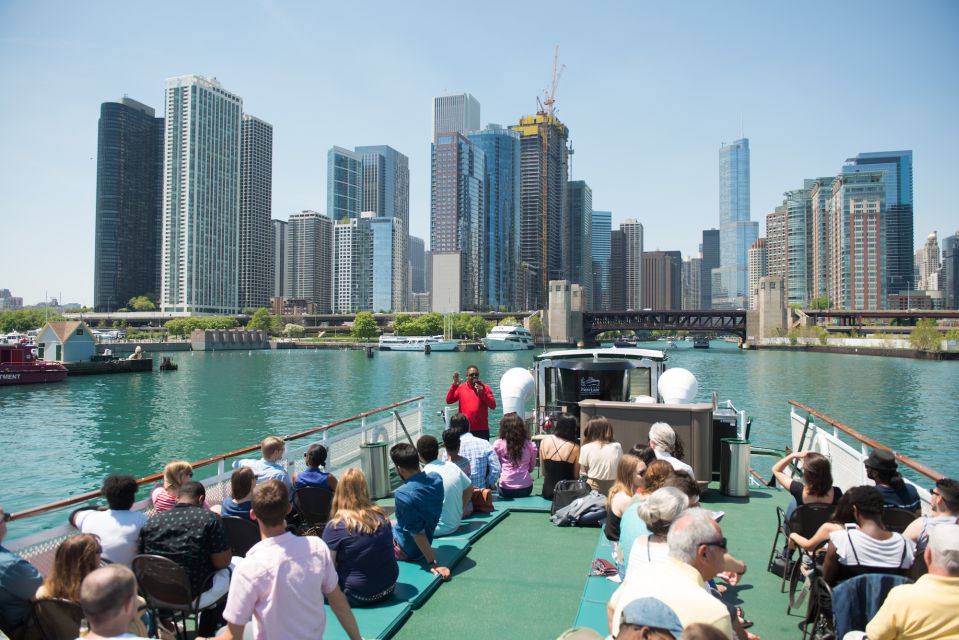
The Chicago First Lady is the right kind of ship for this. You get open-air upper decks with broad views, and the design of the ride gives you the “walk around your own lookout” feeling. The big win is that you’re not limited to one side of the boat. As you move through the route, you’re constantly catching different angles on the city’s architectural styles.
Look for the stylistic contrast as you go. You’ll see examples ranging across Art Deco, neoclassicism, mid-century modernism, and postmodernism. Even if architecture isn’t your hobby, that variety helps you understand why Chicago’s skyline reads like a timeline, not just a collection of tall buildings.
One more practical point: this is a 90-minute outing, so you’re getting a lot of visual information without the fatigue that comes from longer boat rides. In plain terms, it’s the sweet spot for most people who want real views plus narration without turning the day into a marathon.
You can also read our reviews of more boat tours in Chicago
Live CAC Docents Explain Buildings Like You’re From Chicago
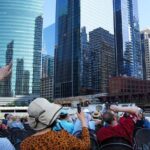
This isn’t a “hands-off” audio tour. The core of the value is that the commentary comes from Chicago Architecture Center-certified volunteer docents who narrate in English during the cruise.
What I like about this setup is how it changes what you notice. You stop treating buildings like isolated photos and start tracking design choices. As you pass, you’ll hear how form relates to function, why certain materials and details mattered, and what was happening in the city when those buildings went up.
The cruise is also built around quantity: you’ll learn stories connected to more than 50 buildings and 13 bascule bridges. That bridge detail matters because those aren’t just scenic props. They’re part of Chicago’s relationship with the river—how the city handled water traffic while still building an urban grid above it.
Guide style can vary, and that’s worth keeping in mind. From the range of docent names you might encounter—Russel, Amy, Claudia, Patricia, and Tom C., among others—the common thread is a strong “local pride” approach. If you like city stories told by people who truly care, you’ll probably feel it quickly.
If you’re sensitive to audio clarity or pacing, it’s smart to know there’s been at least one complaint about onboard sound being too weak. Bring the expectation that you’ll hear narration best when you’re positioned well on the deck and nearby areas, especially if the boat is busy.
The Three-Branch Route: Why This Tour Feels More Complete

A lot of Chicago river cruises stick to one main stretch. This one plans for a broader sweep by going down all three branches of the Chicago River. That choice changes what you’ll notice, because different sections of the river reveal different urban rhythms and building clusters.
As the route unfolds, you’re effectively reading Chicago at multiple levels: the river as a transportation corridor, the river as a shaping force for neighborhoods and downtown development, and the river as a stage for engineering feats like the bascule bridges.
The “three-branch” detail is also why this cruise works as an architecture starter. You can come in knowing little and still leave with mental anchors. After the ride, it’s easier to look at the skyline and say, I know why that mix exists, I know what those bridge types do, and I know how the styles evolved along the river.
One small consideration: with more sections covered, you’ll want to arrive on time and stay attentive, since it’s not a slow stroll. Latecomers can’t be refunded, and the rhythm of the narration doesn’t pause for people who board behind schedule.
Open-Air Views vs. Indoor Comfort (and a Smart Weather Plan)
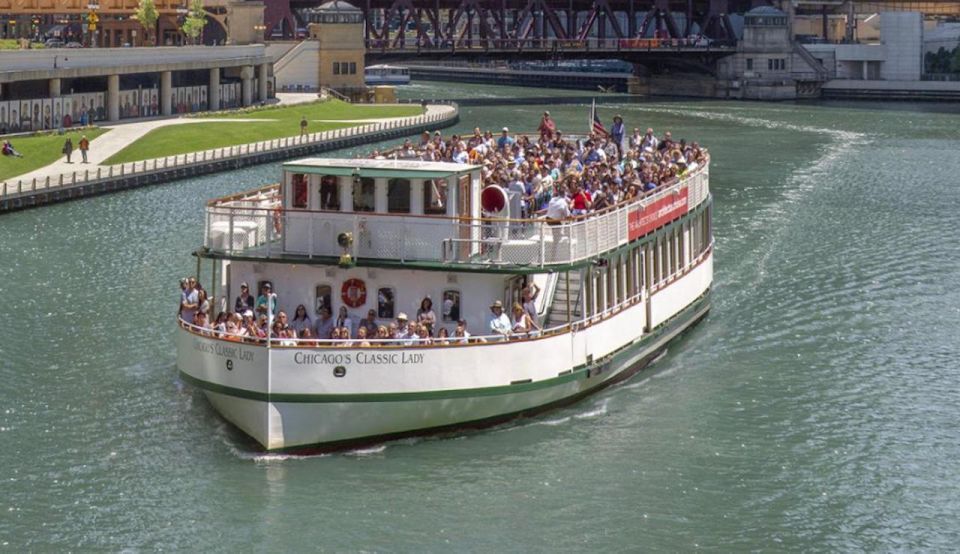
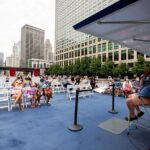
Chicago weather can turn on you fast, so it helps that this cruise runs rain or shine. You’ll have access to both open and covered seating, which is a big deal when you’re balancing sun, wind, and sudden drizzle.
I’d treat this as a “choose your mood” situation:
- If the sky is clear, go upper deck when narration is happening and you want the best building angles.
- If it’s too hot or too windy, switch to the climate-controlled interior salons, then come back out when you want that 360-degree feeling.
Food and drinks are available for purchase onboard, including items like water, soda, wine, and beer, plus snacks such as chips, cookies, and nuts. That’s handy because you’re less likely to get stuck thinking about lunch while the guide is pointing out building details.
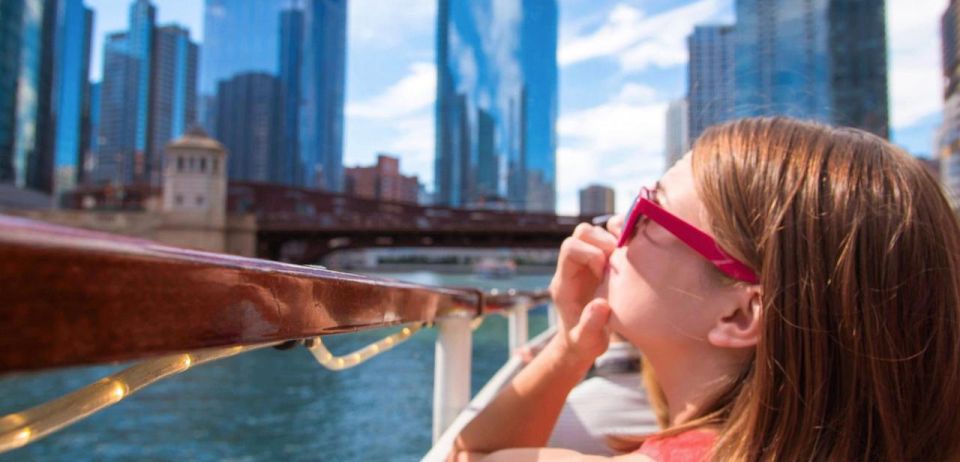
What to bring is straightforward and practical: sunglasses and a sun hat. Even in seasons when you think it won’t be intense, the upper decks can catch light and wind in a way that surprises first-time visitors.
Also keep in mind that there’s no elevator access to the boat dock. If mobility is a factor, plan your path ahead of time, since the dock involves walking and stairs rather than a vertical lift.
Price and Value: Why $57 Can Actually Make Sense
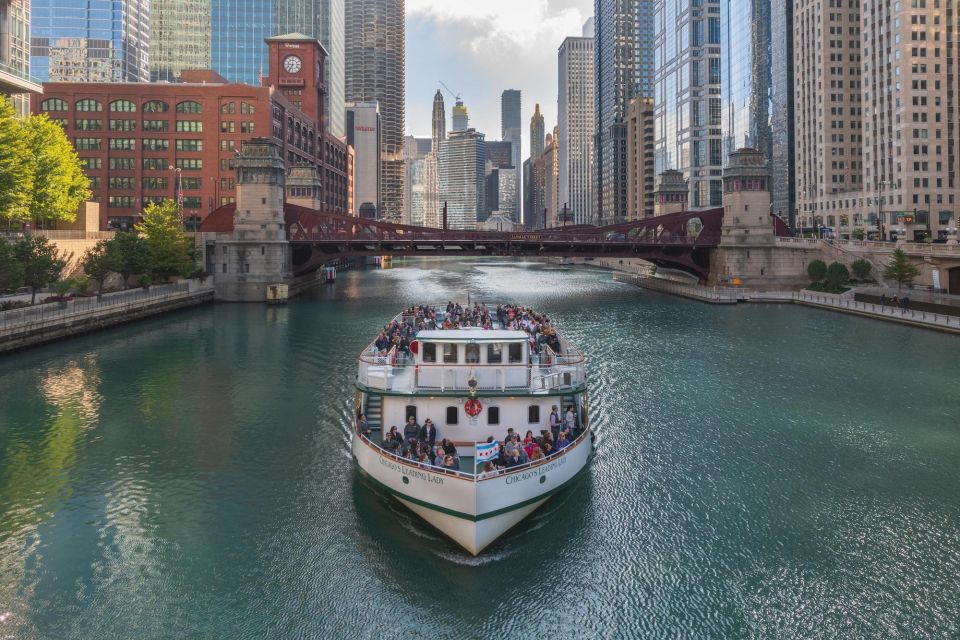
At $57 per person for 90 minutes, this isn’t the cheapest way to see Chicago from the water. But it can be good value for what you get.
Here’s the value equation as I see it:
- You’re paying for a guided architecture lesson, not just a sightseeing cruise.
- You get guaranteed seating on the open-air upper decks, which saves you from the common “stuck inside view” problem.
- A CAC-trained docent is doing the narration, and that changes the ride’s usefulness after you step off the boat.
Then there’s the optional add-on that people often overlook: you can include Chicago Architecture Center general admission for $5, instead of the normal $14 admission price. That makes a big difference if you want to continue learning once you’re done with the river portion.
One reason this matters is that the cruise and the CAC visit are a natural pairing. You’re told what to look for while you’re on the water, and then you can walk into the museum side of the story afterward with a clearer set of questions.
For budget planning, you should also note what’s not included: food and drinks are extra. So if you want to snack and sip, treat the base ticket price as the minimum for your planning, and budget a little more if that’s your style.



Where You Board and How to Not Stress Before Departure
The meeting point is at Black Awning for Chicago’s First Lady on the Riverwalk level, on the southeast corner of the Michigan Avenue bridge where Michigan Ave. and Wacker Dr. intersect.
This is a good location for orientation because it’s central and you can connect it to other downtown stops easily. Still, I’d plan like this is a timed departure, not a casual meet-up. These cruises frequently sell out, and it’s the kind of activity where showing up late can be costly.
Also think about what you’ll carry. Large bags and luggage aren’t allowed, and pets aren’t allowed (assistance dogs are allowed). If you’re traveling light, you’ll find boarding smoother.
If you’re using mobility support equipment, pay attention to the rules: motorized scooters and electric wheelchairs can’t be accommodated aboard the ship. Guests who can transfer may use the provider’s manual wheelchair based on availability. And again, there’s no elevator access to the boat dock.
On the ship, the experience is designed for comfort even when weather isn’t cooperating: you can move between open views and interior climate control, and there are onboard bars and snack options.
Who This Cruise Fits Best (and Who Might Skip It)
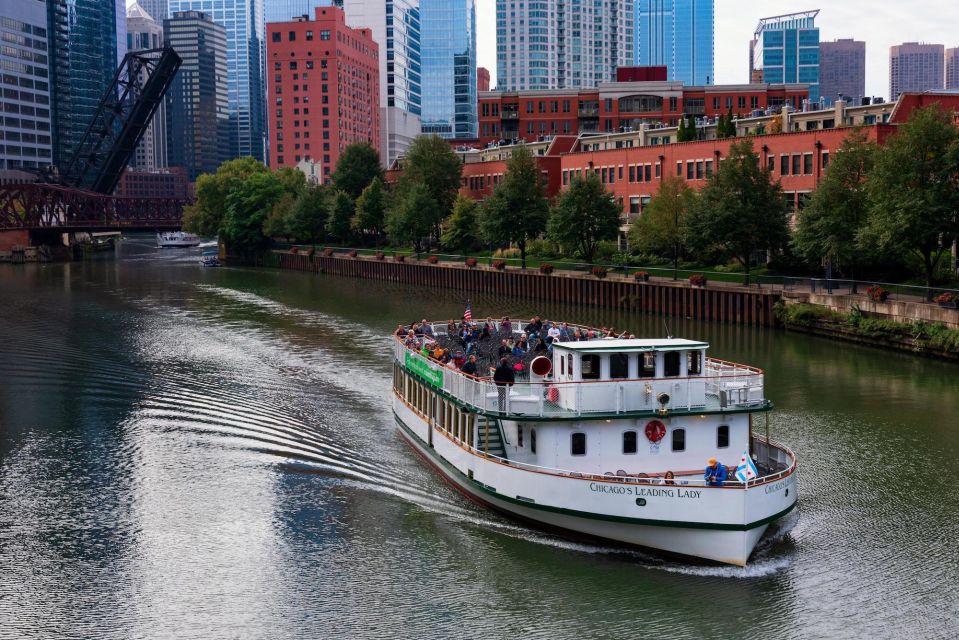
This is a strong fit if you want your Chicago highlights with substance. It’s ideal for:
- First-time Chicago visitors who want a fast architecture orientation
- People who like guided storytelling instead of wandering with an app
- Students, design fans, or anyone who looks at a skyline and wants the “why”
- Anyone who wants an easier way to cover a lot of river sights in 90 minutes
It may be less ideal if:
- You want a fully silent ride (this is built for narration)
- You’re very sensitive to sound quality and prefer quiet environments
- You need to avoid stairs at the dock area, since there’s no elevator to the boat dock
Also, if you’re someone who expects a big meal on a boat, remember that food isn’t included. Snacks and drinks are for purchase onboard, so it’s more like a guided cruise with optional refreshments than a full dining experience.
Should You Book the Chicago Architecture Center River Cruise?
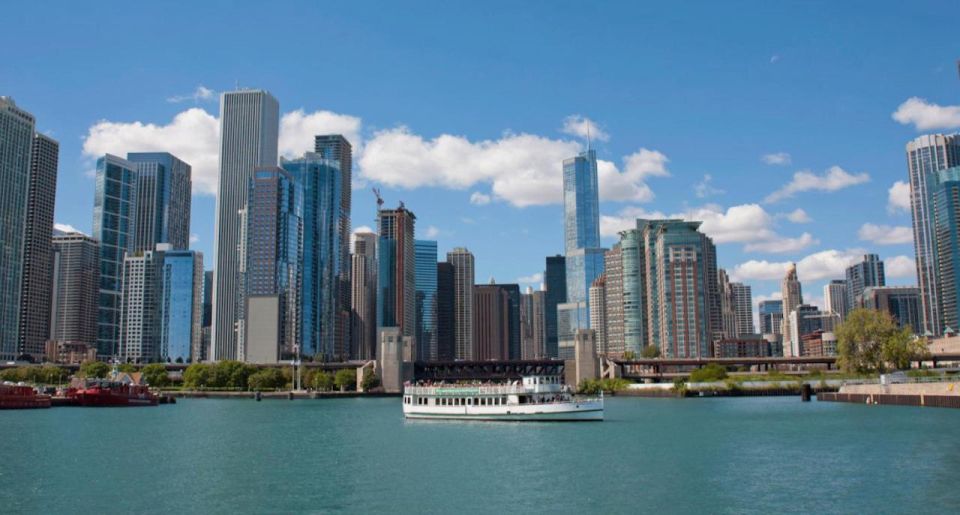
Yes—if you want Chicago architecture explained in a way that sticks. I’d book this when you have a 90-minute window, want real views from the water, and prefer a live guide over a generic slideshow.
If you’re trying to choose between a basic river cruise and this one, the difference is the docent-led storytelling and the architecture focus. The combination of open-air 360-degree viewing, the three-branch route, and the coverage of more than 50 buildings and 13 bascule bridges makes it a smart first architecture step.
Do the optional CAC admission if you’re the type who likes to keep learning after the main event. Adding the CAC for $5 is one of those value moves that can turn a good trip into a better day-plan.
FAQ
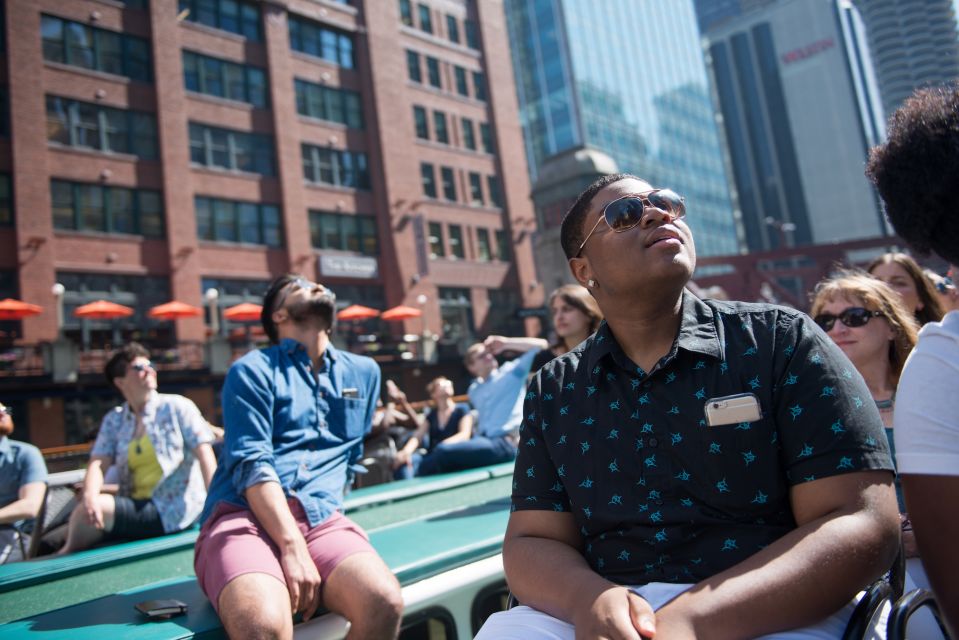
How long is the Chicago Architecture Center cruise on Chicago’s First Lady?
The cruise lasts about 90 minutes.
Is the narration live, and is it available in English?
Yes. It’s narrated live by a Chicago Architecture Center certified volunteer docent, and the language is English.
Where do I check in for Chicago’s First Lady?
Check in at Black Awning for Chicago’s First Lady on the Riverwalk level at the southeast corner of the Michigan Ave. bridge, where Michigan Ave. and Wacker Dr. intersect.
Do I get guaranteed seating on the upper deck?
Yes. There is guaranteed seating on the open-air upper decks.
Can I buy food and drinks onboard?
Yes. Drinks and snacks are available for purchase onboard. Food and drinks are not included in the ticket price.
Does the cruise run if it’s raining?
Yes. Cruises operate rain or shine. Both open and covered seating are available onboard.
Can I add Chicago Architecture Center admission to the ticket?
Yes. You can add Chicago Architecture Center general admission for $5, compared with the normal $14 admission.
Is the boat dock accessible for wheelchair users?
The activity is wheelchair accessible, but there is no elevator access to the boat dock. Also, motorized scooters and electric wheelchairs can’t be accommodated aboard; transfer may be required for use of a manual wheelchair based on availability.