
REVIEW · CHICAGO
Soul House Tour
Book on GetYourGuide →Operated by Chicago Personal Neighborhood Tour · Bookable on GetYourGuide
Chicago history lives in plain sight. This tour takes you past the exteriors of famous Black Chicagoans in a small group (2 to 11 people) with time for photos.
I also like the souvenir booklet you get at the end, plus the lively, Chicago-born-and-raised storytelling from a guide like Steven, who tends to be very interactive. The only real drawback to keep in mind is that the stops include some heavy topics, so it may not feel light the whole way.
In This Review
- Soul House Tour at a Glance: what you’re really buying
- Starting at the Chicago Theater: your meeting point and first minutes
- Small group instead of a bus: why 2 to 11 people feels better
- Photo stops outside real homes: how to make it work smoothly
- The 12-home route: Chicago icons, from Obama to Nat King Cole
- The 44th president’s home and why it starts here
- Michelle Obama’s childhood home: family roots and city influence
- Kanye West’s childhood home: from growing up here to success
- Ida B. Wells: fiery activism in real-world context
- Elijah Muhammad and Louis Farrakhan: Nation of Islam leadership stops
- Muhammad Ali: The Greatest before the lights
- Emmett Till: a heartbreaking stop you should know about
- Nat King Cole and other entertainers: Chicago creativity made visible
- Your booklet: the souvenir you’ll actually use
- Price and value: is $65 reasonable for 2 hours?
- Logistics that matter: timing, walking pace, and group expectations
- Who this tour suits best (and who might want to choose another option)
- Should you book the Soul House Tour?
- FAQ
- How long is the Soul House Tour?
- How many homes do you visit?
- Is it a bus tour?
- Where do you meet?
- Is food included?
- Is the tour suitable for children?
Soul House Tour at a Glance: what you’re really buying
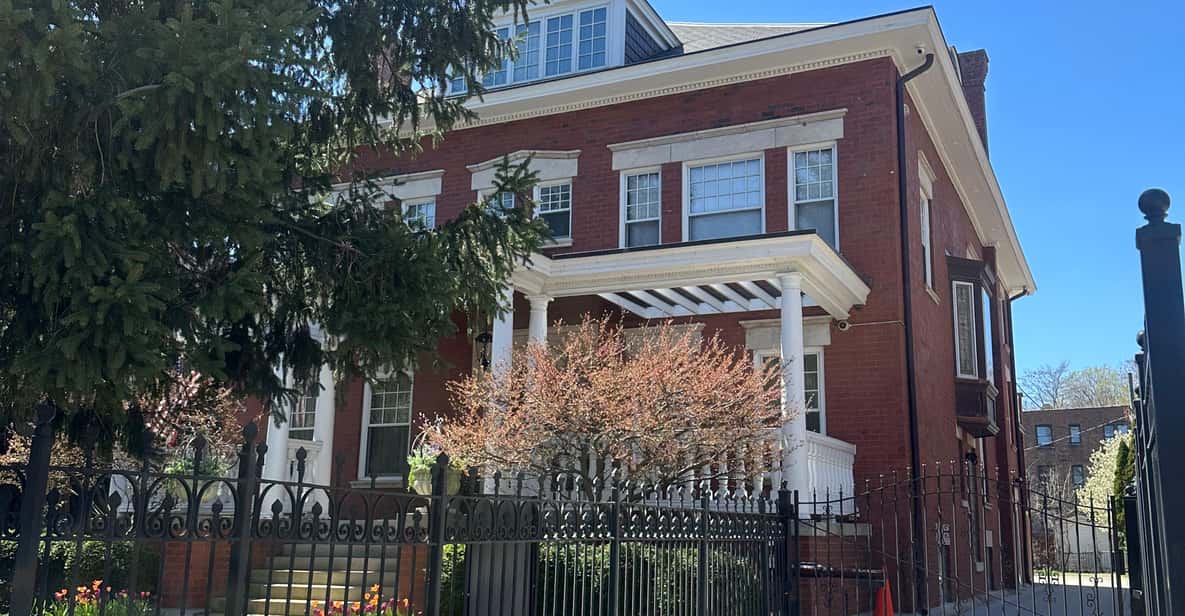
For $65, you’re paying for a guided, neighborhood-style look at the homes of famous Black Chicagoans. The big difference from a big-city bus tour is that this one keeps the group tight, so conversation stays human and you’re not stuck watching through a window.
The other value piece is the format. You stop at homes, you take photos outside, and you leave with a booklet that ties the sites together. This is less about checking boxes and more about getting oriented to people and moments that shaped Chicago.
The tour runs about 2 hours and is usually offered in the morning and at night, in English.
Starting at the Chicago Theater: your meeting point and first minutes
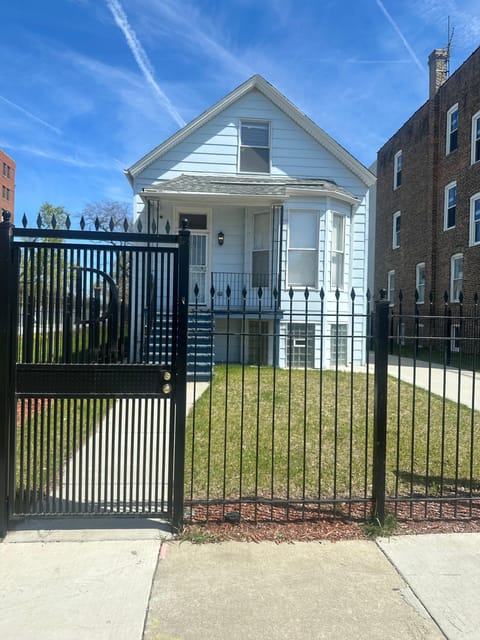
You meet at the Chicago Theater, 175 North State. That matters because it keeps things simple: you’re not hunting down a random corner or coordinating with multiple pickup locations.
Plan to arrive a few minutes early. Even with a small group, you’ll want time to find the right person and get settled before the guide starts talking. It also helps you start the tour calmly, which matters more than it sounds when you’re heading into residential neighborhoods and photo stops.
Once you start, the tempo is set by the guide: explanation first, then a bit of quiet time for pictures.
You can also read our reviews of more tours and experiences in Chicago.



Small group instead of a bus: why 2 to 11 people feels better
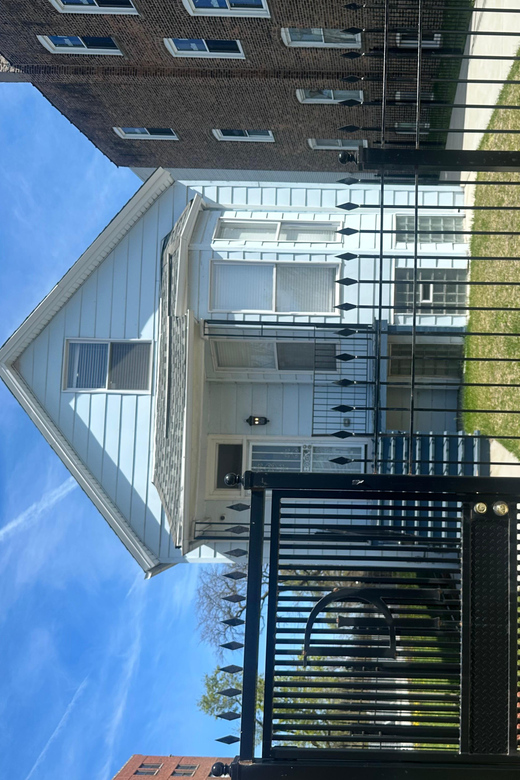
This is a key part of the experience. With a group size of 2 to 11, you get a more flexible pace. You can ask questions without shouting. The guide can respond without rushing to keep a schedule that’s designed for a coach full of strangers.
I like that this format also makes the tour feel more like a walk with a local than a scripted drive-by. You get time for photos at each stop, which is the difference between having memories and having blurry snapshots.
If you hate crowds, or you want your Chicago storytelling to have room for real back-and-forth, this small-group structure is a big win.
Photo stops outside real homes: how to make it work smoothly
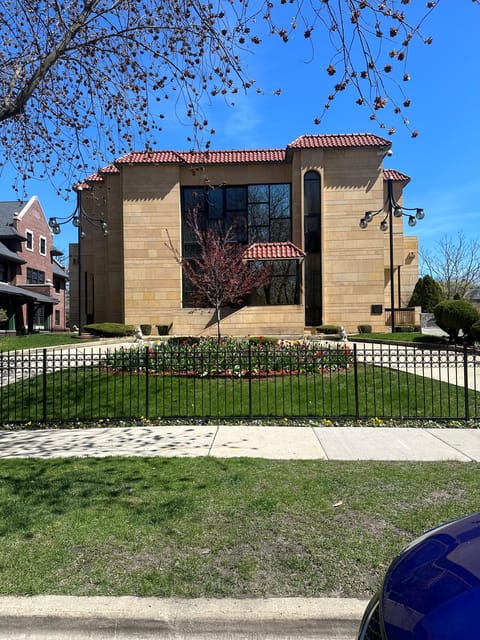
You’ll be taking pictures outside homes, and the tour allows time for photos at each of the 12 locations. That sounds straightforward, but it helps to know what to expect in practice.
Expect the guide to set the moment: where to stand, when to take a quick shot, and how to keep things respectful. You’ll want to keep moving during the walk segments, and keep your camera ready when the guide says to pause.
A practical tip: if you’re photographing on a phone, check your battery before you arrive. With a dozen stops, you’ll burn power faster than you think. And bring what you need to stand comfortably for quick outdoor photos, like sunglasses or a hat if you’re doing a daytime session.
The 12-home route: Chicago icons, from Obama to Nat King Cole
The tour highlights famous Black residents of Chicago, starting with the 44th president of the United States and then moving through several major chapters of Chicago’s cultural and political story. You’ll see the childhood homes and the places people lived before they became widely known.
Below is what you can expect from the route as it flows through these figures.
The 44th president’s home and why it starts here
The tour kicks off with the home tied to Barack Obama as the 44th president. Starting there gives you a clear anchor: this isn’t a random list of celebrity addresses. It’s a guided walk through how Chicago shaped leaders who later changed the national conversation.
Even if you already know the headlines, the home stop helps you visualize the early context. You’re not just hearing dates. You’re placing a person in a specific Chicago reality.





Michelle Obama’s childhood home: family roots and city influence
Next, you’ll see the former First Lady’s childhood home. This part is valuable because it widens the lens from one person’s public role to the family environment and formative years that shaped a worldview.
It’s also a reminder that Chicago isn’t just a backdrop for fame. It’s where family stories take root.
Kanye West’s childhood home: from growing up here to success
Then the tour shifts to a stop connected to Kanye West, where he lived from childhood until his music success. This is one of the more contemporary stops, and it gives the tour a modern pulse.
What’s nice is that the guide doesn’t treat it like a pop culture photo op. The point is that Chicago’s neighborhoods helped form the early life of someone who later went global.
Ida B. Wells: fiery activism in real-world context
After that, you’ll view the home of Ida B. Wells, described as a fiery activist. This stop adds the civic and moral backbone to the tour.
If you want to understand Chicago beyond entertainment, this is where the story leans into activism and action. Ida B. Wells is one of those names that carries weight, and seeing her connection to a specific home makes the activism feel less abstract.
Elijah Muhammad and Louis Farrakhan: Nation of Islam leadership stops
You’ll then visit the home of Elijah Muhammad, the founder of the Nation of Islam, and also the home of his successor, Louis Farrakhan.
These stops matter because they show how Chicago held major religious and political influence within Black leadership. The guide’s job here is to connect the names to the bigger movement and explain why these homes are part of that story.
If religion and leadership history aren’t your usual tour interest, this is still worth it because the tour format turns big topics into approachable explanations.
Muhammad Ali: The Greatest before the lights
Next comes Muhammad Ali, often called The Greatest. You’ll see his home connected to his early life.
This stop works well because Ali’s story is familiar to many people, but a home stop changes the feel. It shifts from the stage of famous fights to the place where discipline, ambition, and identity were growing.
Emmett Till: a heartbreaking stop you should know about
Then the tour visits the childhood home of Emmett Till. The experience is described as “sadly” because this is one of those sites where the story is painful and unforgettable.
If you’re booking with kids or anyone who’s sensitive to heavy history, this is the part to think about first. The tour is not presented as a light or playful sightseeing loop.
Nat King Cole and other entertainers: Chicago creativity made visible
The tour also includes homes of entertainers, including Nat King Cole, plus other notable figures. This is a strong closing direction because it balances the political and historical weight with creativity and culture.
Even if you know Nat King Cole mainly through his music, seeing his Chicago home connection keeps the story grounded. You leave with a sense of how many kinds of talent came from the same city.
Your booklet: the souvenir you’ll actually use
One of the included perks is a souvenir booklet that covers all the homes and includes a write-up on each. This is more useful than a typical tour handout because it gives you a way to remember details without trying to hold every name and context in your head during the walk.
I like that the booklet ties the story to the addresses you visited. If you like to refresh memory later, or you want something to share with friends, this is the tool that helps you do that.
It also makes a difference if you’re the type who wants a quick reference for conversations later at home.
Price and value: is $65 reasonable for 2 hours?
At $65 per person for about 2 hours, you’re paying for three things:
- a guided experience led by a Chicago born and raised guide
- time for photos at 12 homes
- a souvenir booklet with descriptions of each site
When you compare that to many city tours that charge similar money but barely stop anywhere, the photo time and booklet add real value. You’re leaving with tangible takeaways, not only memories.
Also, the small-group model helps justify the price. With fewer people, you’re more likely to get questions answered and you’re less likely to feel like a passenger in a moving crowd.
Logistics that matter: timing, walking pace, and group expectations
The tour is generally available in the morning and at night, so you can pick what fits your schedule. If you’re picky about photos, you might prefer the time of day with better natural light and less harsh glare.
You should also assume you’ll do some walking between stops. The pace won’t be a marathon, but it’s not just sitting in a vehicle. Wear comfortable shoes and bring what you need for outdoor time.
One important fit note: it’s not suitable for children under 9. If you’re traveling with a family, double-check ages and consider that the tour includes serious historical topics.
Gratuity and food are not included, so plan accordingly.
Who this tour suits best (and who might want to choose another option)
This is a great fit if you want a guided, respectful look at famous Black Chicagoans through real places. You’ll probably enjoy it most if you like conversation, names with context, and the idea of tying history to specific neighborhoods.
It may be less ideal if you’re looking for a purely visual, low-emotion sightseeing loop. The Emmett Till stop is heavy, and the tour is built to honor that part of the story.
Should you book the Soul House Tour?
If you want more than a photo parade, I’d say book it. The small-group size, the photo time at 12 homes, and the souvenir booklet are exactly the combination that turns a short 2-hour tour into something you can remember and use.
Before you go, decide if the emotional weight is okay for your group. If you’re traveling with kids under 9, skip this one. If your group can handle history that isn’t cheerful, this tour is a strong way to see Chicago through the lives of people who shaped the nation.
FAQ
How long is the Soul House Tour?
The tour lasts 2 hours.
How many homes do you visit?
You tour 12 homes of famous Chicagoans and take photos at the stops.
Is it a bus tour?
No. It’s not a bus tour. The group size is typically 2 to 11 people.
Where do you meet?
Pickup is at the Chicago Theater, 175 North State.
Is food included?
No. Food is not included.
Is the tour suitable for children?
It is not suitable for children under 9.