REVIEW · CHICAGO
Chicago’s Original Dazzling Architectural Interiors Tour
Book on GetYourGuide →Operated by Inside Chicago Walking Tours · Bookable on GetYourGuide
Look up at Chicago like you mean it. This 2-hour interiors tour strings together eye-popping eras, from Roaring ’20s Art Deco to Frank Lloyd Wright-renovated turn-of-the-century spaces. I also love the way the route ends with the world’s largest Tiffany stained-glass dome, so the whole experience feels like building momentum toward one big moment.
You’ll also appreciate that the tour doesn’t only follow the obvious tourist path. It’s designed to help you spot architectural details you’d miss on your own, including a vaulted ceiling from the Postmodern era with Moorish flourishes. Live, English-speaking guidance keeps you oriented as you move from one standout interior to the next, with extra surprises along the way.
One consideration: this is still a walking tour. Plan for time on your feet between stops, bring comfortable shoes, and dress for Chicago weather since conditions can shift during a two-hour outing.
In This Review
- Key highlights you’ll remember
- First stop: Roaring ’20s Art Deco interiors you can read with your eyes
- A time jump to the 1880s: how Chicago’s early downtown still holds power
- Frank Lloyd Wright’s renovation: where inside-the-building details do the talking
- Postmodern vaulted ceiling with Moorish details: looking up, then looking again
- The Tiffany moment: standing beneath stained glass that turns light into architecture
- Where the tour ends: Millennium Park and The Bean as your optional follow-up
- Price and logistics: why $35 feels fair for what you get
- What you’ll do with 2 hours: a tight loop that keeps your eyes busy
- Who should book this tour—and who might not
- Should you book this tour?
- FAQ
- How long is Chicago’s Original Dazzling Architectural Interiors Tour?
- How much does the tour cost?
- Where do I meet the tour?
- Are entrance fees included?
- Is the tour wheelchair accessible?
- What should I bring?
- Are tips included in the price?
- Can I cancel and get a refund?
Key highlights you’ll remember
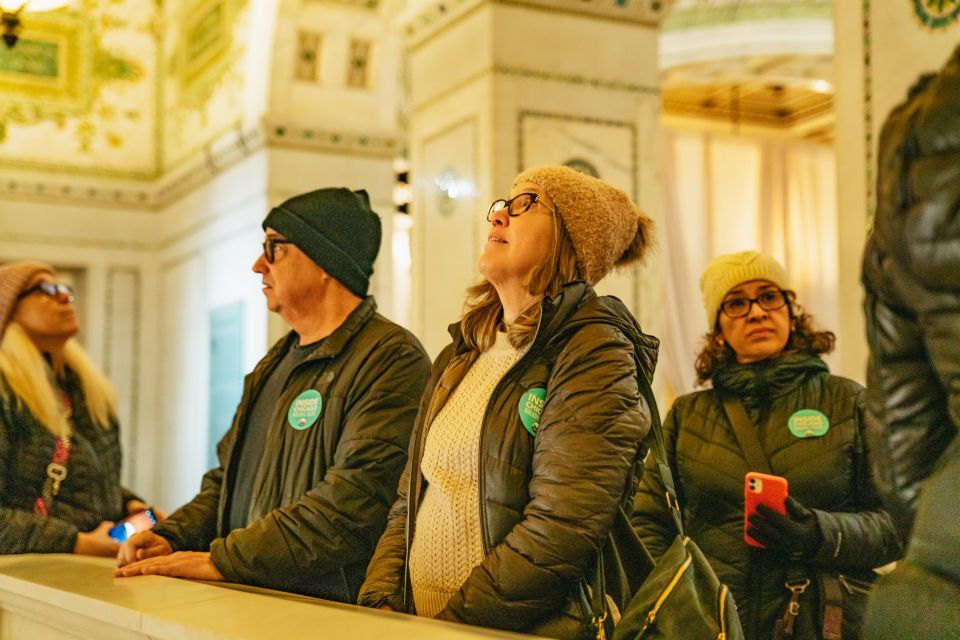
- Stand under the world’s largest Tiffany stained-glass dome and study how light moves through it
- See Frank Lloyd Wright’s renovated interiors from the turn-of-the-century era
- Spot Postmodern vaulted ceilings with Moorish details you might miss if you’re only looking straight ahead
- Step back to an 1880s-era structure and understand how downtown Chicago evolved
- Finish near Millennium Park so you can pair architecture with a Cloud Gate stroll
First stop: Roaring ’20s Art Deco interiors you can read with your eyes
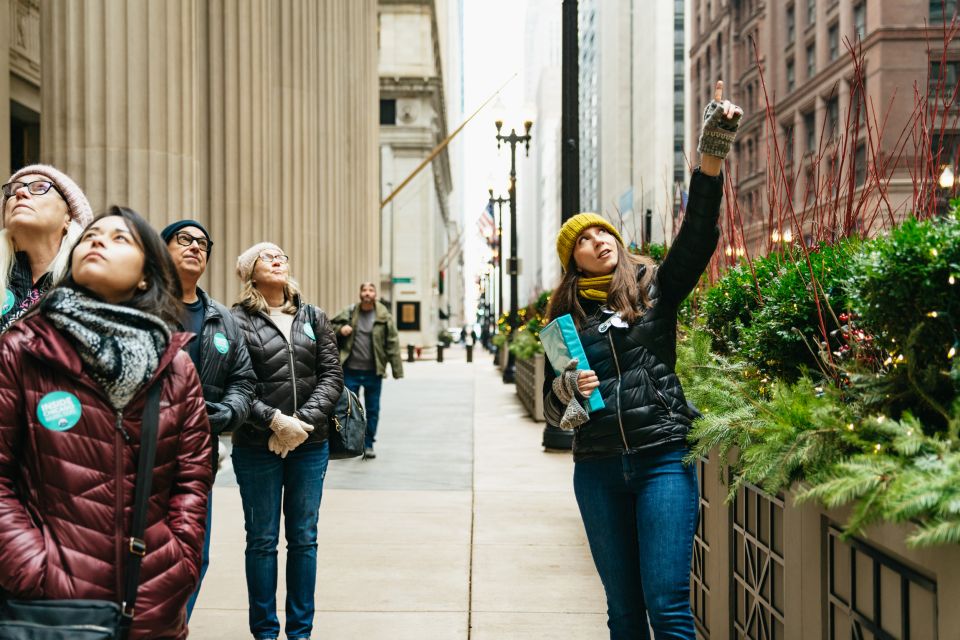
Chicago’s architecture can feel like a single big timeline—until someone points out what to look for. On this tour, you start in the Roaring ’20s mood, where classic Art Deco design shows up as crisp lines, dramatic geometry, and interiors that feel built for looking up. Even if you’re not a self-proclaimed architecture nerd, you’ll find yourself “decoding” the buildings: patterns that repeat, shapes that guide your gaze, and spaces that make the whole downtown block feel more intentional.
What I like most at this stage is the pace. You’re not stuck in one room for too long, and you’re not sprinting either. The guide sets you up to notice details—why a ceiling matters, what a facade style is trying to communicate, and how an interior can feel both formal and surprising. That matters because Art Deco can look flashy in photos, but in person it’s about proportion and craftsmanship. Once you know what to hunt for, the style clicks.
If you’re coming in with kids, friends who hate “museums,” or anyone who thinks architecture tours are just standing still—this opening tends to win people over fast. It’s visual, it’s elegant, and it keeps moving.
You can also read our reviews of more tours and experiences in Chicago.



A time jump to the 1880s: how Chicago’s early downtown still holds power
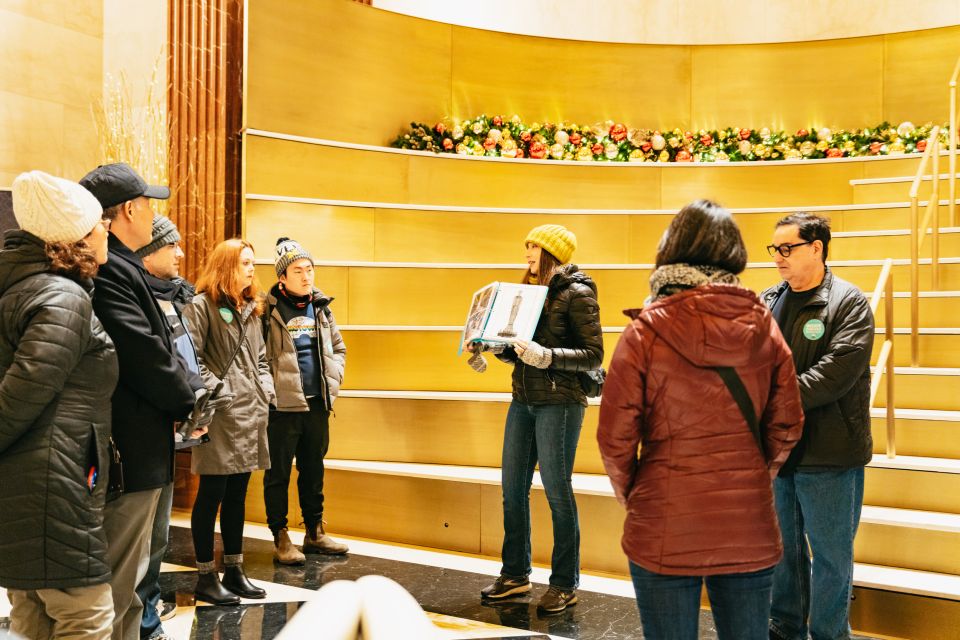
Next, you go back to the 1880s and into one of downtown Chicago’s most famous, oldest-feeling structures. This is where the tour earns its “original” promise: you see a building that carries a sense of foundation, then you watch how later styles grow around it.
Here’s the practical value: a modern skyline can make you forget that Chicago has layers. The city didn’t become what it is all at once. It stacked eras. Walking into an interior from that earlier period helps you understand why later architects felt the need to reinvent, renovate, and reinterpret existing structures rather than starting from scratch.
You’ll also learn how to “read” the interior layout—how corridors, openings, and vertical space work together. The tour doesn’t treat architecture like a distant art history lesson. Instead, it treats it like a living set of design decisions. And once you understand that, everything you see after this stop makes more sense, especially the later renovations.
Frank Lloyd Wright’s renovation: where inside-the-building details do the talking
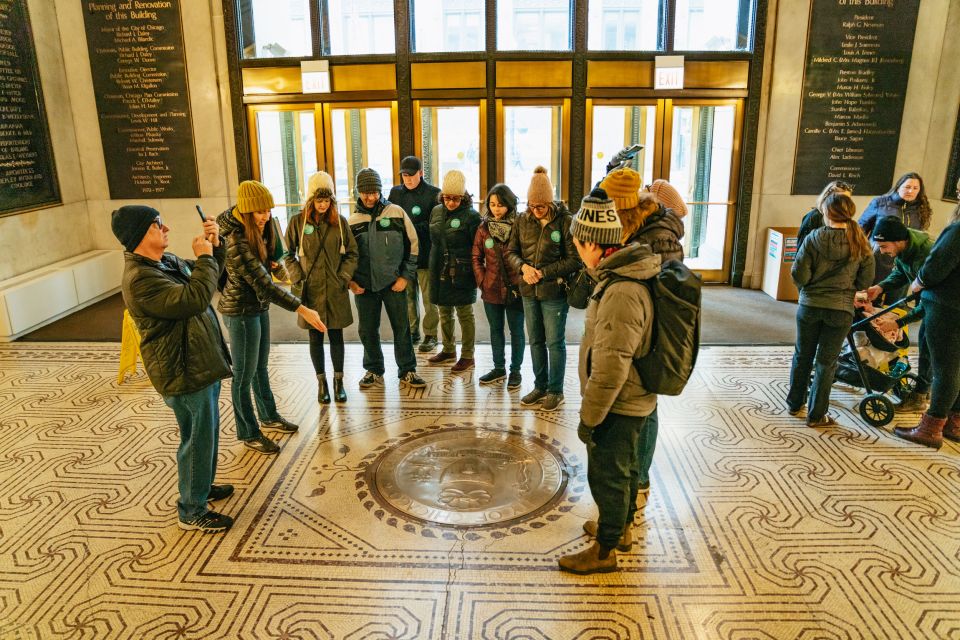
One of the biggest draws here is seeing turn-of-the-century interiors renovated by Frank Lloyd Wright. Even if you only know Wright from headlines and photos, you’ll feel the difference when you’re standing in the space. Wright’s influence isn’t just style—it’s logic. Interiors can feel more grounded, more connected to their materials, and more carefully composed for how people move and look.
What you’re really getting at this point is a chance to compare eras without leaving the downtown core. The tour sets up a contrast: earlier design language, then a renovation that reshaped the experience of the building from the inside. That’s a big part of why interiors tours are worth the ticket. With street-level views, you see the outside story. With interiors, you see how architects thought about the human scale—how wide to make openings, how to handle light, and how to create drama without needing a skyline photo.
If you’re someone who likes “why” questions—why a space feels airy or formal—you’ll probably stay tuned here. It’s also where a good guide can make a difference. The tour is led in English, and the narration is tied to Chicago’s broader story, not just isolated facts about one room.
Postmodern vaulted ceiling with Moorish details: looking up, then looking again
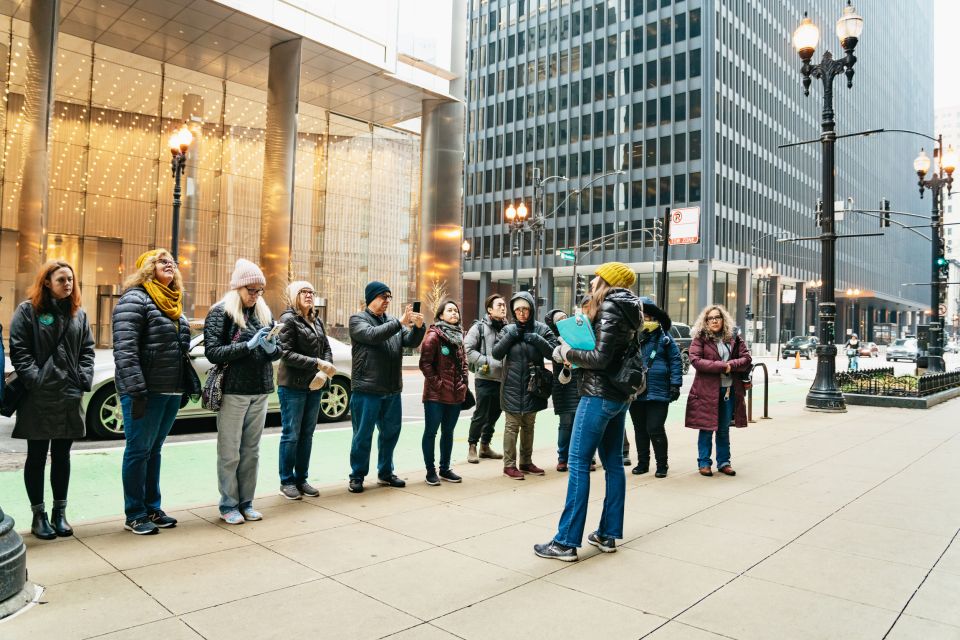
Then comes a stop that feels like a curveball: a vaulted ceiling from the Postmodern era, topped with Moorish details. This is the part where you stop expecting one style to dominate. Chicago interior design can be playful. It can remix. It can borrow motifs and then reframe them for a new context.
This stop is also a lesson in how to look. Moorish details can be easy to miss if you’re scanning quickly or if your eyes are stuck on the main doorway. Here, you’re meant to tilt your head and let the ceiling do the work. The guide’s job is to make that manageable—pointing you to elements worth noticing so your brain knows what matters instead of treating the whole room like a blur.
I like this portion because it reminds you that architecture isn’t limited to one “correct” taste. Postmodern design often plays with contrast, and that contrast is fun when someone helps you see the pattern behind the style choices. Even if you don’t remember every term, you’ll remember how the ceiling made you feel: detailed, theatrical, and slightly unexpected.
The Tiffany moment: standing beneath stained glass that turns light into architecture
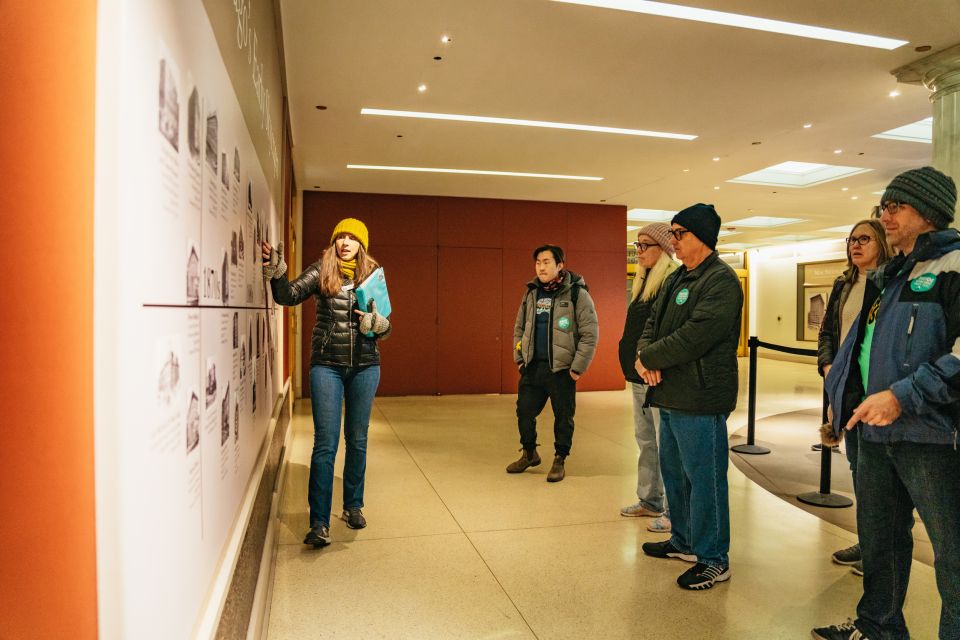
Now you reach the centerpiece—the stop people talk about: the world’s largest Tiffany stained-glass dome. This is the kind of interior that changes minute by minute because light does the real work. Stained glass isn’t just decoration; it’s a lighting system. Up close, you’ll likely notice how colors soften or intensify depending on the angle and the ambient light around you.
What makes the Tiffany dome special on a guided tour is the context. You don’t just stand there and take a picture. You learn what to look for: how the dome structure frames the space, how the stained glass affects perception, and how such a bold interior can coexist with the surrounding building style.
This is also where the tour feels like a payoff for your attention. Earlier stops train your eyes—Art Deco geometry, Wright-era renovation logic, Postmodern vaulted detail. Then the Tiffany dome rewards that effort by making the whole experience feel visual and emotional at the same time. If you’re only going to remember one interior, make it this one.





Where the tour ends: Millennium Park and The Bean as your optional follow-up
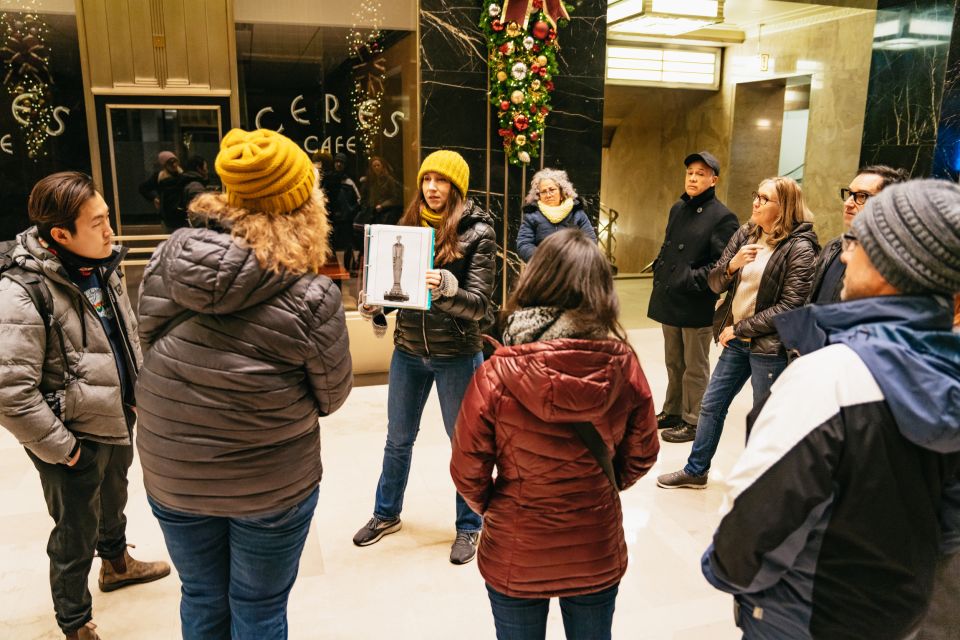
The route finishes close to Millennium Park, with easy access to Chicago’s landmark The Bean (Cloud Gate). That’s a smart move for you because it lets you pair indoor wow with outdoor momentum. After two hours of looking up at ceilings and domes, it’s refreshing to step out and let the city open around you.
You also get flexibility. You can keep it simple—walk to The Bean, take a few photos, and call it a day. Or you can use the time afterward to connect architecture to place: how a public park changes the feel of downtown, how people flow, and how a sculpture becomes another “viewpoint” in the city’s design language.
Just don’t rush it. The dome is the star inside, and Millennium Park is the stage outside. If you pace yourself, the whole arc lands better.
Price and logistics: why $35 feels fair for what you get
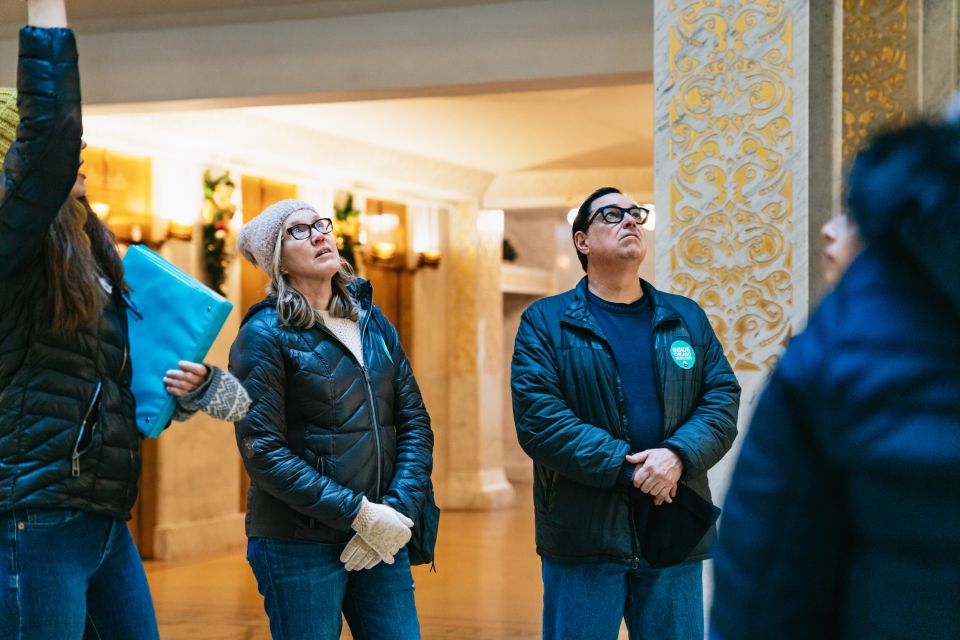
At $35 per person for 2 hours, this tour is priced like an experience that’s earned its keep. The key value is that entrance fees are included, meaning you’re not stuck doing math in your head once you arrive. More importantly, the guide helps you convert expensive-looking interiors into understandable moments.
Here’s the practical way to think about the price: if you try to DIY this, you’ll likely spend time figuring out which interiors are open, what’s worth your attention, and when you’ll actually get a good view. With a guided loop, you get structure, narration, and access all bundled together. You’re buying time savings plus a better way to see.
The tour is wheelchair accessible, which is a real advantage for anyone who needs to keep mobility needs in mind. You’ll still want to follow basic comfort rules since the format involves walking and frequent looking upward.
If you’re visiting Chicago for the first time and want architecture without getting stuck in a self-guided checklist, this is the kind of ticket that makes sense.
What you’ll do with 2 hours: a tight loop that keeps your eyes busy
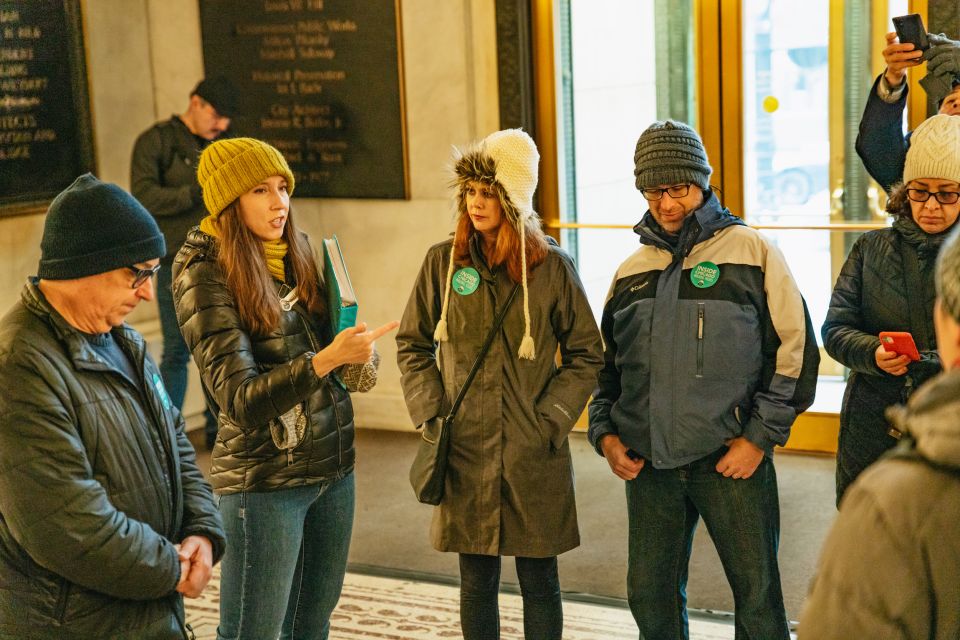
This tour is designed for focus. You don’t get a half-day “see everything” scramble. Instead, you get a curated sequence that walks you through multiple eras—Art Deco, 1880s-era roots, Wright-renovated interiors, Postmodern Moorish details, and finally the Tiffany dome.
That structure is why it works for most schedules. You can fit it into a morning or afternoon plan, and you can still have energy left for Millennium Park after. It’s also a good format for rainy days, since much of the experience is spent inside. Still, you should plan for the in-between moments outdoors.
One practical note: the tour asks you to bring a face mask or protective covering. Chicago weather plus indoor spaces means it’s smart to come ready.
If you’re the type who likes to ask questions, you’ll probably have fun. You’ll see details, then get an explanation that makes those details feel less like random decoration and more like deliberate design.
Who should book this tour—and who might not
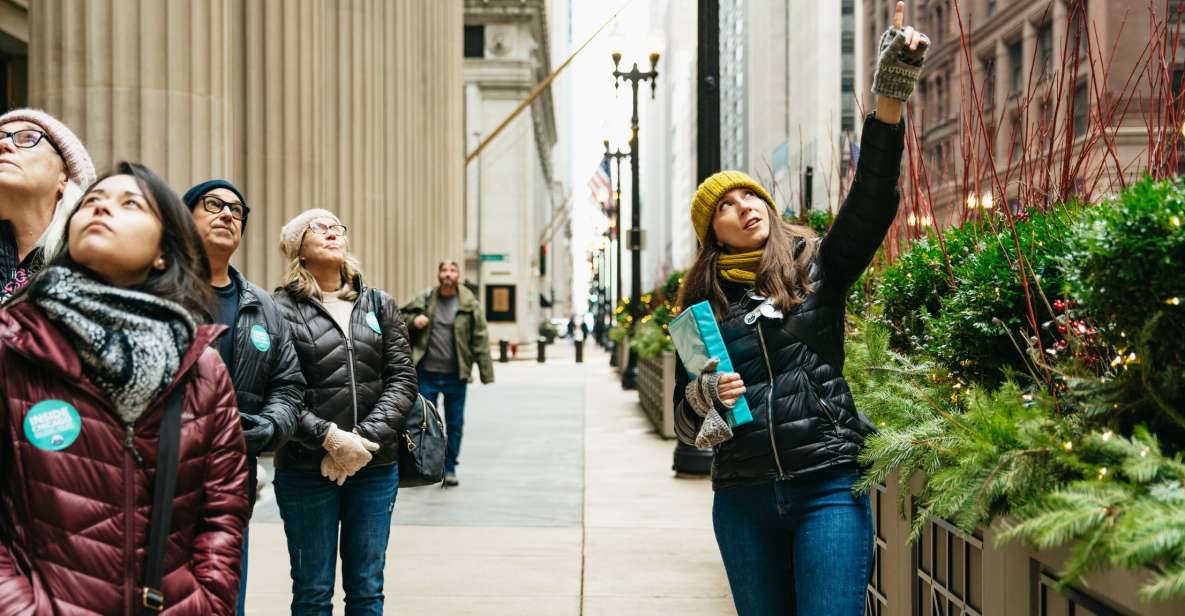
This tour is a strong fit if you:
- Want a downtown architecture walking tour that stays inside the “wow” zone
- Love stained glass, ornate ceilings, and interiors where the ceiling is the main character
- Prefer a guide who connects architecture to Chicago history, not just a list of dates
- Want a short, efficient plan that ends near Millennium Park
It may be less ideal if you:
- Don’t enjoy standing around and looking up for long stretches
- Want total silence and self-paced wandering (this is live guidance)
Also, if your group includes mixed interests—someone who loves design, someone who’s just here for the city vibe—this tour tends to keep everyone engaged because it mixes dramatic moments with clear explanations.
Should you book this tour?
Yes, if you want a 2-hour dose of Chicago interiors that goes beyond the usual exterior sightseeing. The Tiffany dome is reason enough to consider it, but the real win is how the tour builds meaning: you see how different eras talk to each other inside one downtown landscape. At $35 with entrance fees included, it’s good value for the time you spend and the access you get.
If you’re on a tight schedule and you want one architecture plan that ends conveniently near Millennium Park, this fits the bill. Grab a spot, wear comfortable shoes, and plan to look up more than you think you will.
FAQ
How long is Chicago’s Original Dazzling Architectural Interiors Tour?
It lasts 2 hours.
How much does the tour cost?
The price is $35 per person.
Where do I meet the tour?
Meet at the plaza in front of 425 S. Financial Place, next to the metal horse sculpture.
Are entrance fees included?
Yes. All necessary entrance fees are included.
Is the tour wheelchair accessible?
Yes, it is wheelchair accessible.
What should I bring?
Bring comfortable shoes, weather-appropriate clothing, and a face mask or protective covering.
Are tips included in the price?
No. Gratuities are not included.
Can I cancel and get a refund?
Yes. You can cancel up to 24 hours in advance for a full refund.