REVIEW · CHICAGO
Chicago Loop: Art, Skyscrapers, Millennium Park & “The Bean”
Book on GetYourGuide →Operated by Tours by Foot · Bookable on GetYourGuide
The Loop clicks into place in two hours. This walk strings together Chicago’s Loop skylines, public art, and Millennium Park in a way that feels logical fast, not random. You’ll get a local guide’s stories as you move from one landmark to the next, with plenty of chances to stop, look up, and take photos without rushing.
Two things I really liked: first, the tour takes you inside major downtown spaces, so you’re not stuck outside staring at buildings through glass. Second, you get smart context for the art you came to see—especially Cloud Gate, where the stainless-steel curves make Chicago look playful and a little warped. It’s the kind of stop you remember because you understand what you’re seeing.
One consideration: even when the day is cold or rainy, you’re still doing a walking tour. The good news is the route adapts with some indoor warmth, but you should still dress for the weather and expect a steady pace.
In This Review
- Key highlights you’ll actually care about
- Meeting at Chicago Theatre: start where downtown energy is clear
- Macy’s on State Street (Marshall Field’s) and the value of going indoors
- Daley Plaza and the Picasso steel sculpture: modern art with downtown scale
- Millennium Park: Crown Fountain and Cloud Gate without the guesswork
- Great Fire of 1871 landmarks: the story behind today’s downtown
- The L elevated trains and Route 66: transit as an urban symbol
- Art Institute of Chicago: a quick stop with big payoff
- Price and pace: is $49 per person good value?
- Should you book this Loop & Millennium Park tour?
- FAQ
- How long is the Loop & Millennium Park walking tour?
- Where do we meet the guide?
- Is this a walking tour?
- Does the route change based on weather?
- What are some of the main stops?
- Is gratuity included in the price?
- What language is the tour offered in?
- Is there free cancellation?
- Can I reserve now and pay later?
Key highlights you’ll actually care about
- A Route built around the Loop’s name, including the elevated train system you’ll see up close.
- Public art with Tiffany-glass details, plus major modern works you can’t miss.
- Inside stops when weather turns, so you keep moving without freezing through the full walk.
- Millennium Park time that works year-round, with Crown Fountain and Cloud Gate as anchors.
- Photo-worthy architecture and lobbies, not just exterior sightseeing.
Meeting at Chicago Theatre: start where downtown energy is clear
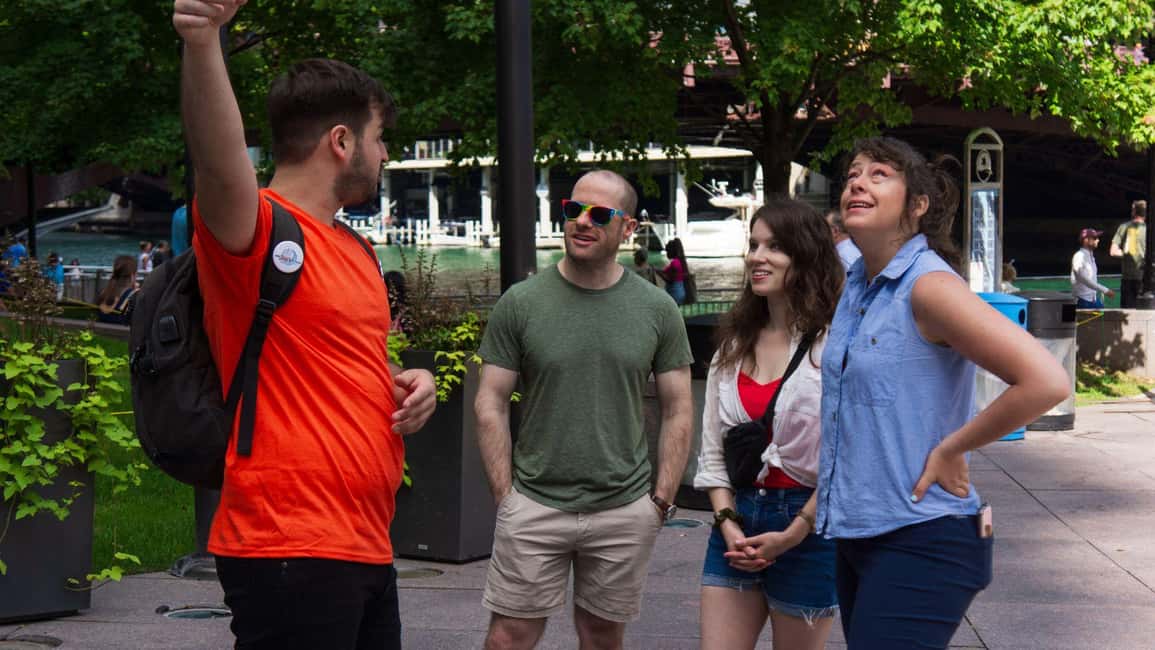
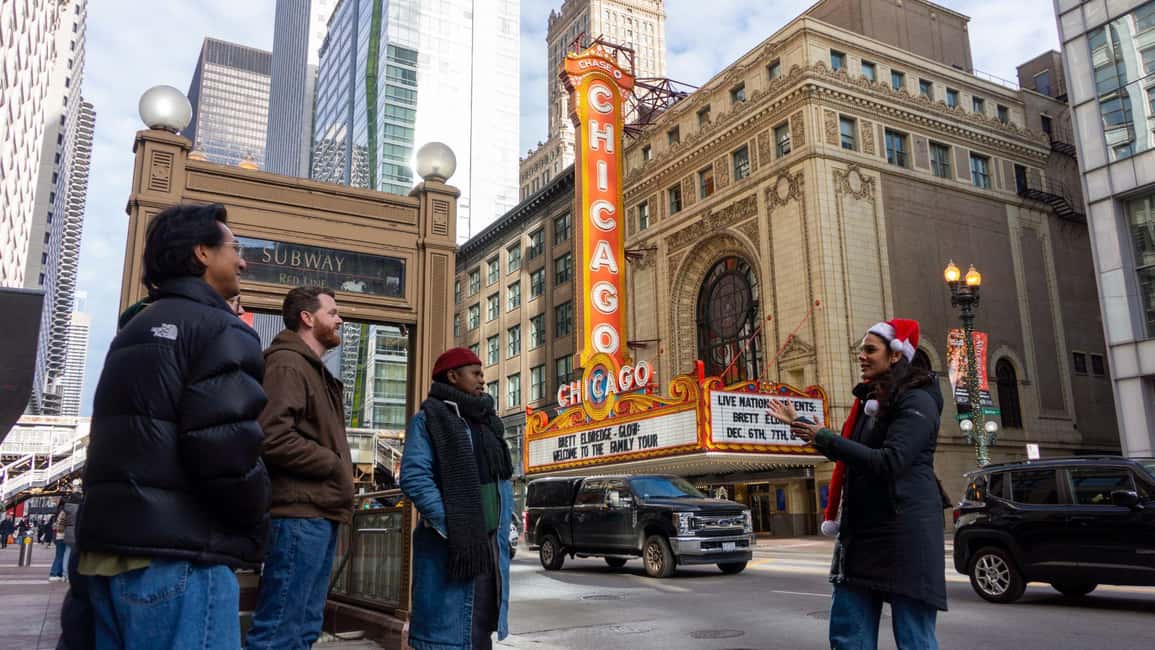
You meet your guide right by the Chicago Theatre at 175 N. State St, on the corner of State and Lake. It’s an easy starting point because it sits in the middle of the action. From the first minutes, you’re not wandering around trying to figure out where everything is—you’re pointed down the right streets.
I like that the tour is set up for a short, two-hour window. That matters in the Loop, where blocks can feel long if you’re doing it on your own without a plan. With a guide steering the route, you get more meaningful stops instead of spending time relocating.
The other small win: you’re traveling with a local guide who delivers live commentary in English. You’ll hear explanations in plain language, the kind that helps you spot what’s going on with the buildings and public spaces as you pass them. And in practice, the group tends to feel close and engaged, like a small-pack walk rather than a massive crowd shuffle.
If you’re the type who likes to understand a city while you’re seeing it, this setup is a strong fit. You’ll get the background you want without turning the whole experience into a lecture.
You can also read our reviews of more tours and experiences in Chicago.


Macy’s on State Street (Marshall Field’s) and the value of going indoors
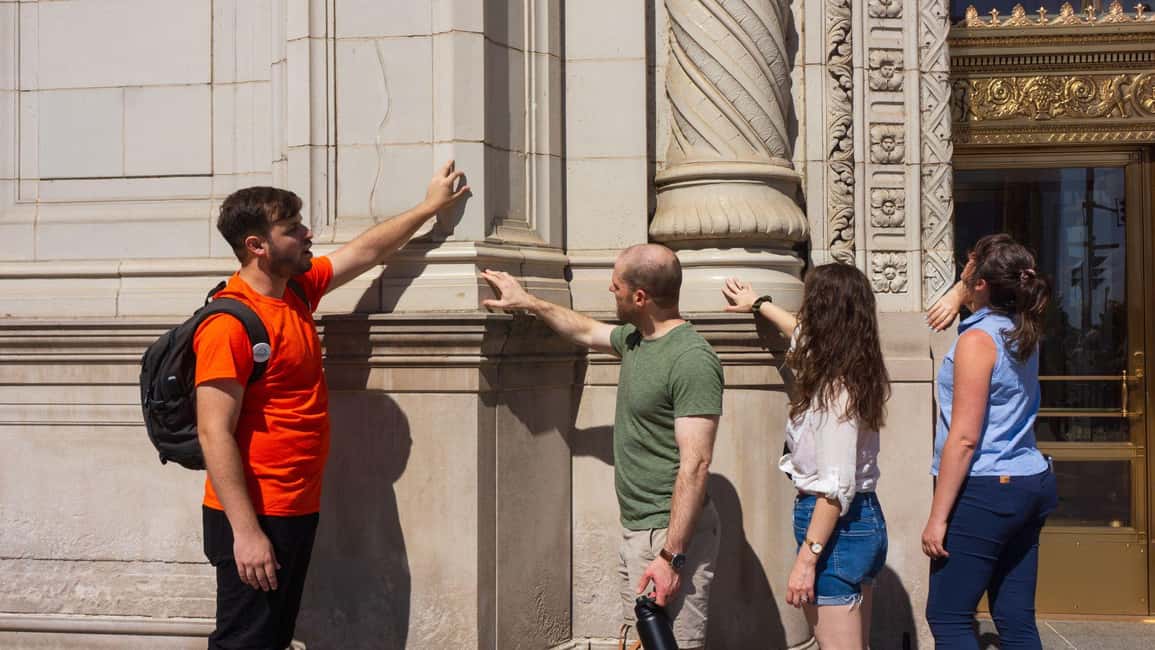
A big early stop is the building that began as Marshall Field’s and is now Macy’s on State Street. Even if you’ve seen department stores elsewhere, this one is worth the time because the architecture is part of Chicago’s self-image. You’ll get the chance to look closely and learn why it mattered—then you’ll see it as more than a shopping landmark.
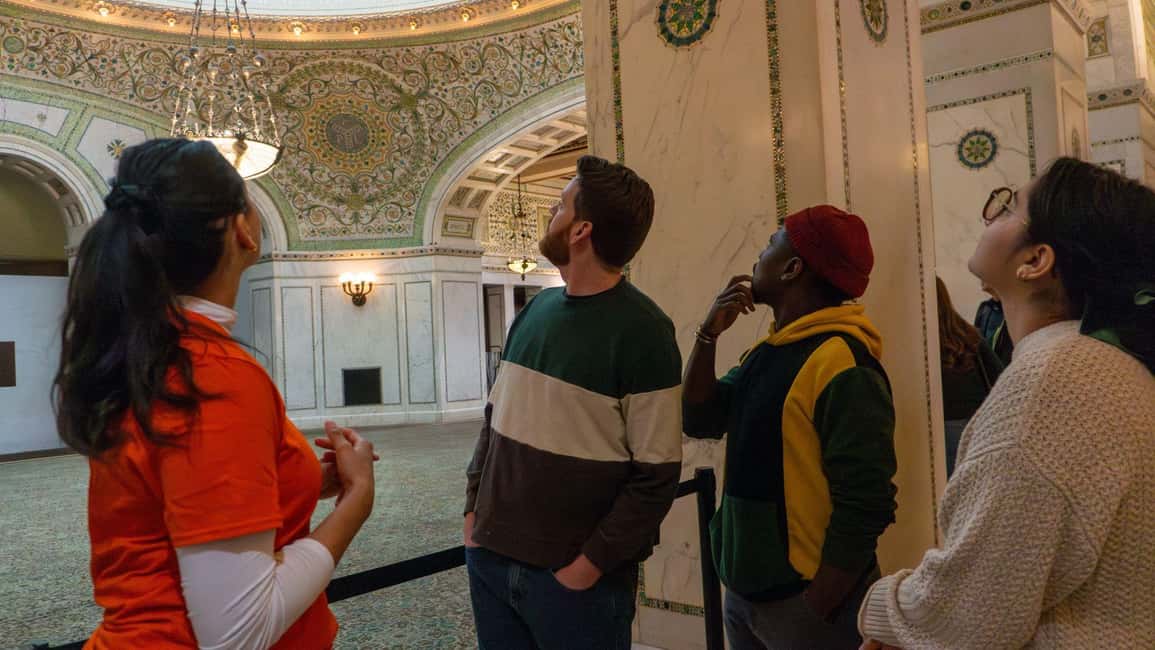
What I appreciate here is the mix of outside views and interior time. The tour isn’t just a “look at the front, keep walking” approach. Indoors, you can slow down and take in details without fighting wind or cold. That’s especially helpful in winter, when the tour shifts some of its time into warming up inside major public spaces.
It also gives you a baseline for the rest of the Loop. After you see how grand downtown interiors can be, it makes the next stops—lobbies, plazas, and public buildings—feel connected instead of random.
Practical tip: if you’re taking photos, stand where the guide suggests, then take a second look from a slightly different angle. Department-store interiors can hide great lines and textures until you shift your position.
Daley Plaza and the Picasso steel sculpture: modern art with downtown scale
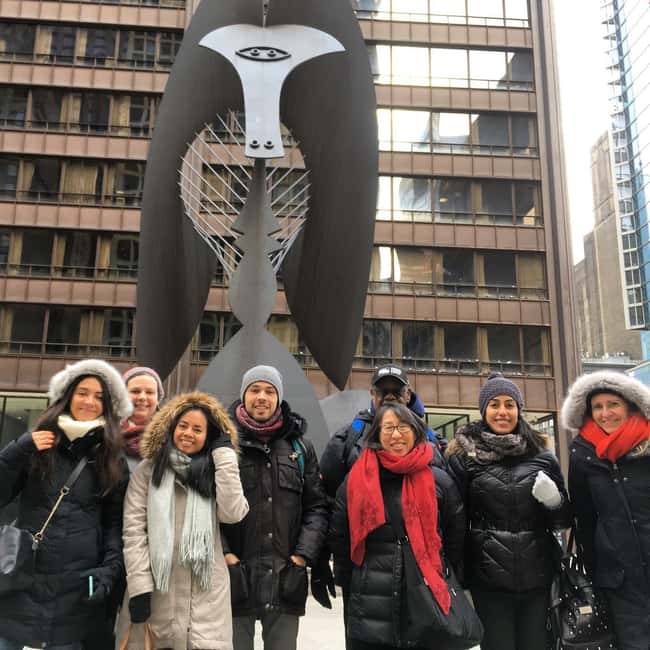
Next up is Daley Plaza and The Picasso, the steel sculpture gifted to Chicago by Pablo Picasso. This isn’t just a headline stop. It’s placed where you can see it at street level, surrounded by real downtown movement, so it feels like public art that belongs to everyday life—not a museum piece behind a rope.
What makes this stop click is the contrast. You’re moving from a historic retail landmark into an open civic space with a striking modern form. The scale helps: the sculpture is big enough to be the main event, but not so isolated that it feels untouchable. You can walk around it, look back toward the streets, and get a sense of how Chicago uses its plazas.
And because the tour focuses on interpretation, you’re not just snapping a picture and moving on. You’ll learn what the sculpture represents for Chicago’s modern-art identity and why the city treated this as something to place in public space.
If you’re traveling with kids or anyone who gets restless on strict sightseeing schedules, this stop is often a lifesaver. It’s visual, immediate, and easy to understand without needing extra translation.
Millennium Park: Crown Fountain and Cloud Gate without the guesswork
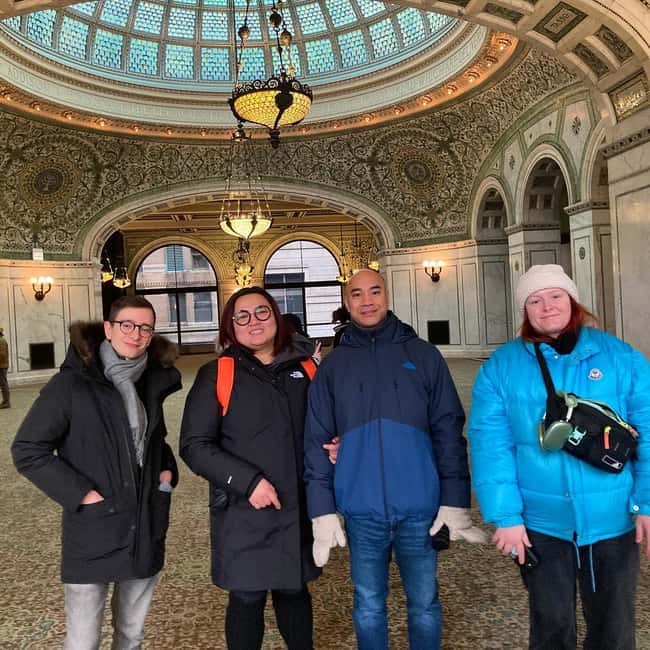
Millennium Park is the heart of the experience, and the tour handles it intelligently depending on the season. In warmer weather, you spend more time here outdoors among the public art. In winter, you still see the key sights, but the emphasis shifts so you can keep your energy up with indoor breaks.
Two stops do the heavy lifting: Crown Fountain and Cloud Gate. Crown Fountain is interactive in a practical way. You’ll see video projections of Chicagoans’ faces, with water cascading as part of the design. It’s playful, but it also hits that Chicago skill for turning design into a public ritual—something you do, not just something you observe.
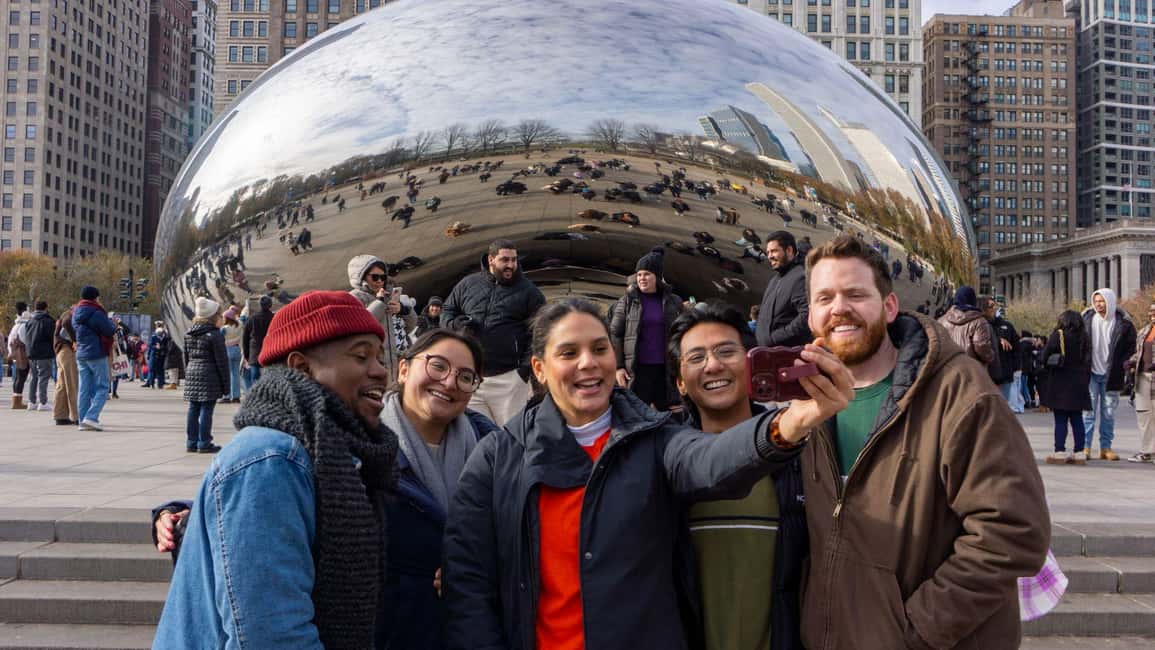
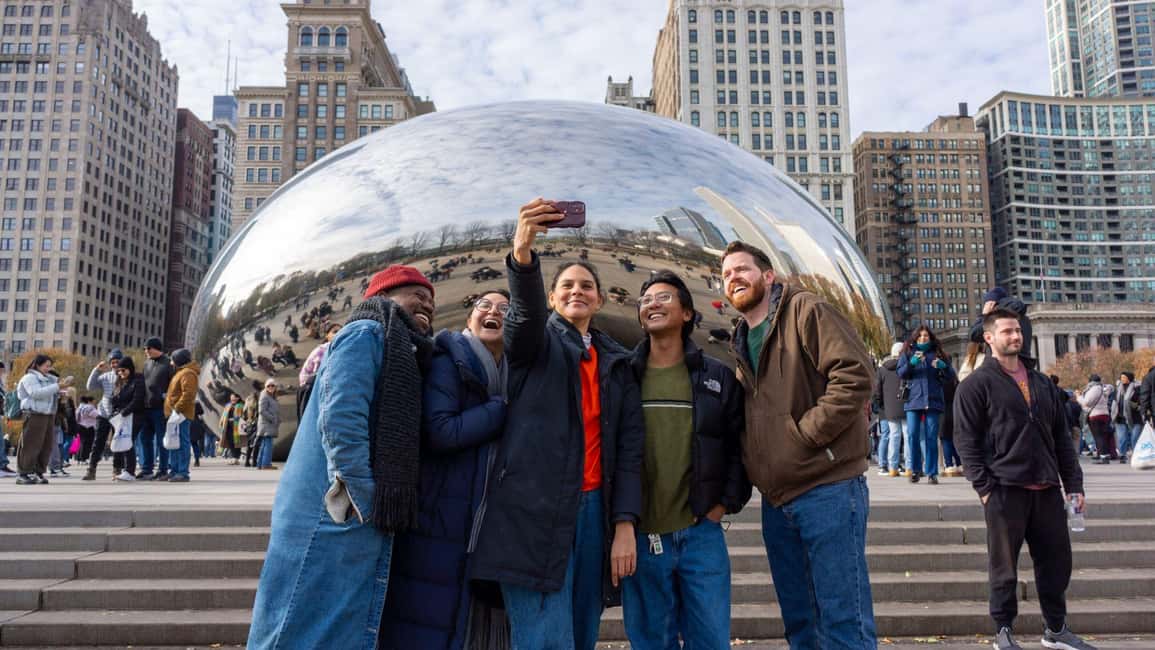
Then you reach Cloud Gate, nicknamed The Bean. This reflective stainless-steel sculpture is famous for a reason, but what matters on this tour is timing and context. You’re not figuring out the best spot while you’re already distracted by the crowd. The guide helps you slow down long enough to notice the way the reflections bend the skyline and your surroundings.
Photo tip that saves time: take one wide shot first, then step closer for the distorted reflections. The Bean changes character based on where you stand, so the second photo is usually better than the first.
If you only have a day or two in Chicago and you want Millennium Park to feel like more than a checklist, this is the part of the tour that delivers the most satisfaction per minute.
Great Fire of 1871 landmarks: the story behind today’s downtown
A key educational moment comes as you pass landmarks connected to the Great Fire of 1871. You’ll learn about Chicago’s rebirth and how rebuilding shaped what you see now, especially in the way downtown redeveloped after a citywide disaster.
I like this segment because it gives meaning to the buildings and spaces you’ve already been watching. Without context, the Loop can feel like a bundle of skyscrapers and shopping streets. With this story, you start noticing how Chicago’s innovations and rebuilding efforts show up in the urban layout and architecture choices you encounter along the way.
The guide doesn’t just say history happened. You connect it to the present—why this area looks the way it does, and why the Loop became the center it is today. That turns “sightseeing” into understanding, and understanding makes the photos more interesting too.
Also, this is a good way to keep the pace balanced. You get a change of rhythm: from looking up at modern structures to hearing how the city survived a turning point and built back with bigger ideas.




The L elevated trains and Route 66: transit as an urban symbol
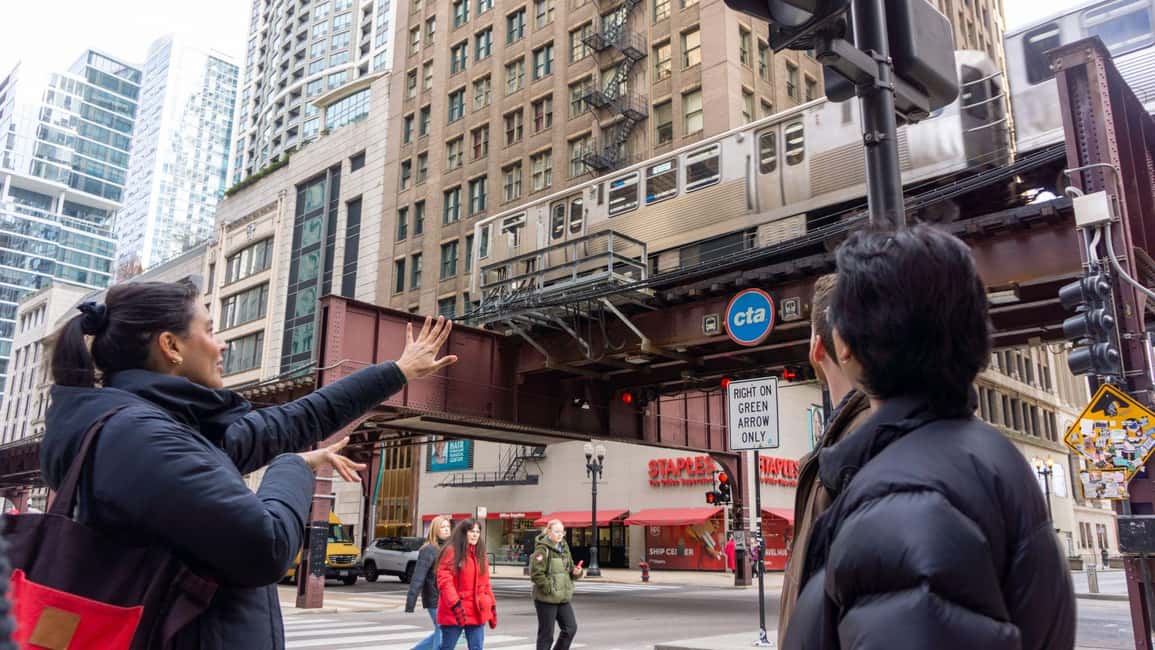
One of the tour’s most memorable parts is when you shift from classic landmarks to infrastructure—the Loop’s elevated train system, the L. You’ll hear how it relates to the Loop’s name and why it’s such a lasting symbol of city life.
This stop matters because it changes how you view downtown movement. Instead of treating transit like background noise, you start seeing it as part of the Loop’s character. The elevated tracks define sightlines. They also remind you that Chicago is a city where public transportation isn’t optional—it’s woven into the way people actually live and commute.
Then the tour adds a pop-culture layer with the start of Route 66, marked with a sign downtown. Route 66 is one of those American road legends that feels larger than life, and having a real marker right in Chicago gives it a strong sense of place.
The pairing of the L and Route 66 is smart. One is about how the city functions day-to-day. The other is about how America travels. Together, they show how the Loop isn’t only about what’s old or what’s tall—it’s also about movement, identity, and stories that spill beyond the city limits.
If you’re the kind of person who likes seeing the working parts of a city, this section will make you pay attention in a new way.
Art Institute of Chicago: a quick stop with big payoff
The tour includes a visit to the Art Institute of Chicago. You don’t linger here for an all-day museum plan, so I’d think of it as a curated taste—enough to connect the dots between modern city art and world-class collections.
The value is that your brain isn’t switching tracks too much. Earlier you’ve seen public sculptures, interactive installations, and arts tied to place. Then you step into a major art institution, and it all feels connected: public art outside, and famous art inside.
If you already know you want to do a deeper museum day, treat this stop as a start point. You’ll come away with a stronger sense of what kind of art holds your interest, which makes it easier to plan a return visit later with more time.
Practical tip: if you’re sensitive to crowds, take your photos quickly and prioritize one or two areas the guide points out. This gives you “museum momentum” instead of getting stuck doing everything at once.
Price and pace: is $49 per person good value?
At $49 per person for a two-hour walk, the value comes from what’s included: a professional tour guide with live commentary from a Chicago local, plus a route that can shift based on weather. You’re paying for interpretation and timing, not just someone leading you down streets.
The best part of the pricing for me is the comfort logic. The tour is built to keep going even when the weather is rough. In colder months or rainy days, you’ll spend some time inside public buildings and lobbies, which is a real upgrade from the classic “freeze for your pictures” approach.
Pace-wise, it feels designed to keep you engaged without feeling hurried. The tour fits well when you want your Chicago highlights without sacrificing the rest of your day.
Who this tour suits:
- First-timers who want the Loop explained, not just shown
- Anyone who loves public art and wants it connected to Chicago stories
- People visiting in winter who still want a walk-based experience with indoor backups
Who might want to skip it:
- If you already know the Loop super well and prefer long, solo museum time
- If you hate walking even on short routes, because it’s still a walking experience
Should you book this Loop & Millennium Park tour?
Yes, I’d book it if your goal is a smart, fast introduction to downtown Chicago with major public art stops. The mix of skyscrapers, plazas, indoor time, and landmark stories gives you a lot for two hours—especially if you’re visiting in cooler months when walking can otherwise be miserable.
If you care most about photo-ready icons like the Bean and interactive art like Crown Fountain, this tour helps you get there with less guesswork and more context. And if you want the human touch, this one leans into a guide who tells stories with energy, jokes, and real city perspective.
One final thought: if your itinerary has a gap and you want a single activity that brings together architecture, transit, and art in the Loop, this is a solid choice.
FAQ
How long is the Loop & Millennium Park walking tour?
The tour lasts about 2 hours.
Where do we meet the guide?
Meet your guide in front of the Chicago Theatre at 175 N. State St., at the corner of State and Lake.
Is this a walking tour?
Yes. It’s a 2-hour walking tour through downtown.
Does the route change based on weather?
Yes. The tour is customizable to Chicago weather, and there are some indoor stops when it’s cold or rainy.
What are some of the main stops?
You’ll see places including Macy’s on State Street (formerly Marshall Fields), The Picasso in Daley Plaza, Millennium Park (including Crown Fountain), the L elevated train, a downtown Route 66 sign, the Art Institute of Chicago, and Cloud Gate (The Bean).
Is gratuity included in the price?
No. Gratuity isn’t included.
What language is the tour offered in?
The tour is offered in English.
Is there free cancellation?
Yes. You can cancel up to 24 hours in advance for a full refund.
Can I reserve now and pay later?
Yes. You can reserve now and pay later, so you pay nothing today.