REVIEW · CHICAGO
Chicago: American Writers Museum Flexible Date Entry Ticket
Book on GetYourGuide →Operated by American Writers Museum · Bookable on GetYourGuide
Writing history feels fun here. The American Writers Museum turns literature into hands-on play, with interactive timelines, videos, and word games that make big ideas easier to grasp. I like how the museum lets you practice the act of writing (yes, with typewriters), not just read about it.
Two things I really appreciate: the vintage typewriter writing time, and the way the exhibits walk you through writing as a craft, from reading to discipline to language. One thing to consider is that it is self-guided and the museum space is compact, so you will get the most out of it if you are willing to slow down and read.
In This Review
- Key things to know before you go
- A $16 ticket that plays like a full day of ideas
- Finding the American Writers Museum (it’s on the second floor)
- Nation of Writers Gallery: interactive timelines and the Word Waterfall
- Mind of a Writer Gallery: habits, discipline, and why language matters
- Chicago Gallery: authors and journalists shaped by the Windy City
- Level Up and the reading-and-writing rooms with typewriters
- The Children’s Gallery: reading areas plus interactive space
- How long to plan (and how to pace the self-guided visit)
- When the museum might not be your style
- Who should book this flexible ticket
- FAQ
- FAQ
- How long is the ticket valid?
- What are the opening hours?
- Is this ticket self-guided or does it include a tour guide?
- Can I bring food or drinks inside?
- Do children need a ticket?
- Is the museum wheelchair accessible?
- Should you book the American Writers Museum flexible date ticket?
Key things to know before you go
- Flexible 14-day entry so you can match the museum to your schedule, not the other way around
- Hands-on writing at vintage typewriters where you can draft a short story or poem
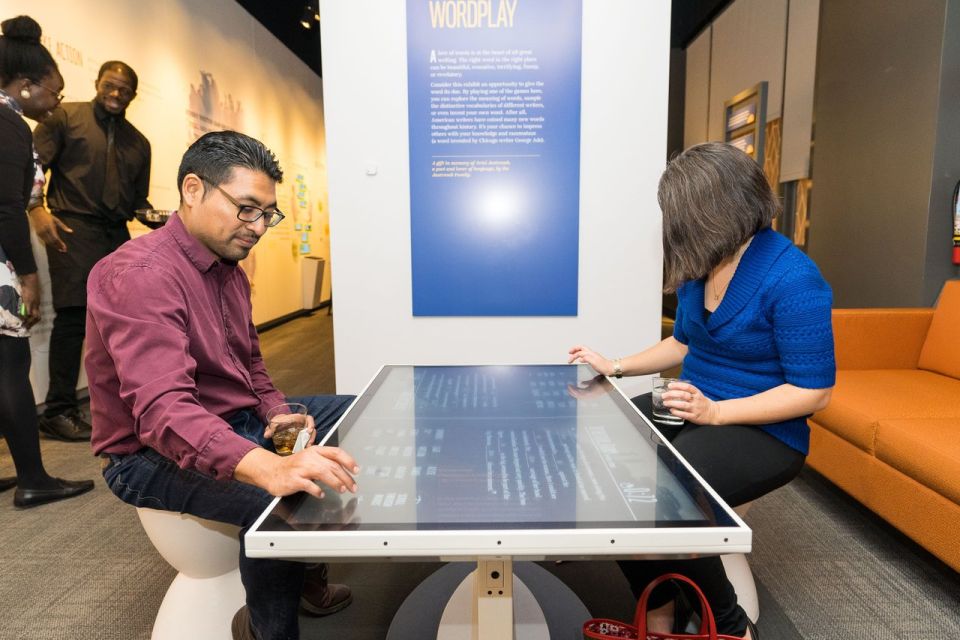
- Interactive galleries built for multiple senses with timelines, videos, dioramas, and word puzzles
- A process-focused Mind of a Writer section that explains habits and how writers make language work
- A Chicago-focused gallery connecting authors, poets, journalists, and performers to the city
A $16 ticket that plays like a full day of ideas
At $16 per person, this museum is priced like a smart add-on, not a wallet-drainer. You get entry to all permanent exhibits and special exhibits, and it is self-guided, so you control the pace. If you are visiting Chicago on a tight schedule, the flexible 14-day entry window is a big deal because you can pick the least stressful day.
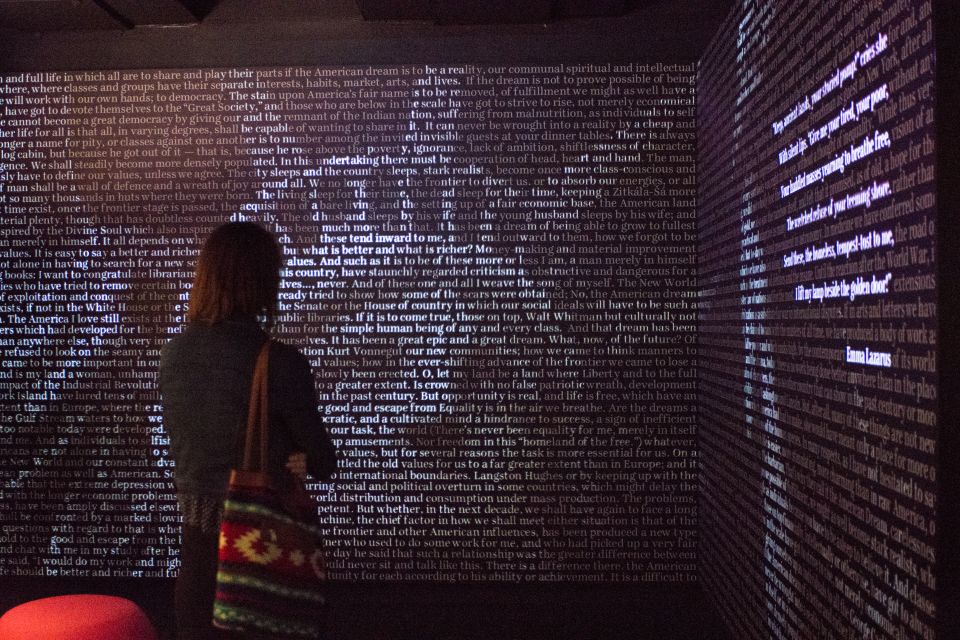
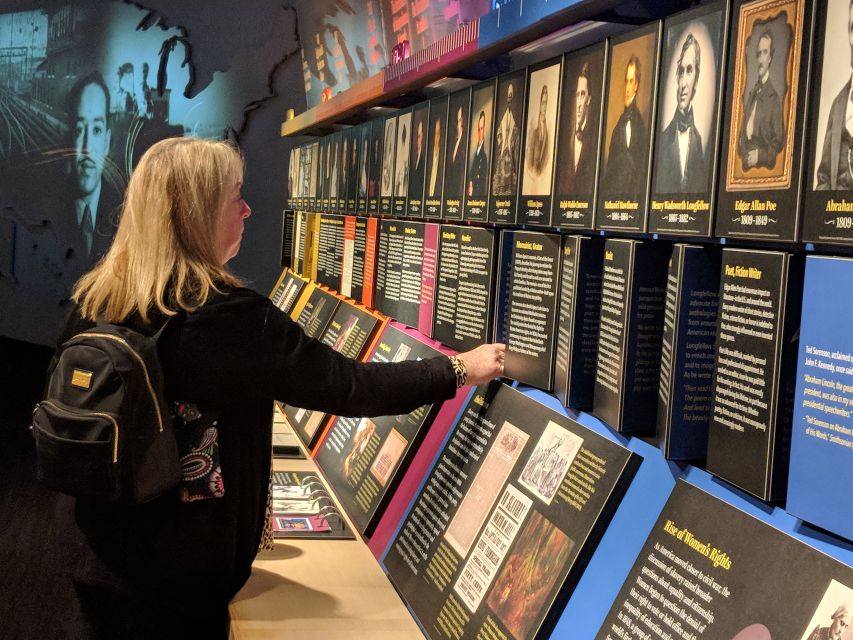
The museum also mixes “I know this author” with “I didn’t know this one.” You’ll run into names ranging from Dickinson and Poe to Dr. Seuss and Prince, then broaden outward into poets, journalists, and writers who drew inspiration from Chicago. That variety is part of the value: it is not only for English majors, and it is not only for kids.
One practical note: food and drinks are not allowed inside. That matters because you’ll want a quick plan for snacks outside and then return ready to focus.
You can also read our reviews of more tours and experiences in Chicago



Finding the American Writers Museum (it’s on the second floor)
Your ticket use is simple: enter the building, go past security, then head to the elevators or the staircase to the 2nd floor to reach the American Writers Museum. Present your ticket at the museum front desk.
The museum is open 10:00 A.M. to 5:00 P.M., Thursday to Monday. Plan around those days, and if your trip includes weekends plus a weekday, you can often time the visit to when you have the energy to read.
Also, it’s good to know you can enter on your chosen date or any day up to 14 days after that date. That flexibility is helpful when Chicago weather or your itinerary changes.
Nation of Writers Gallery: interactive timelines and the Word Waterfall
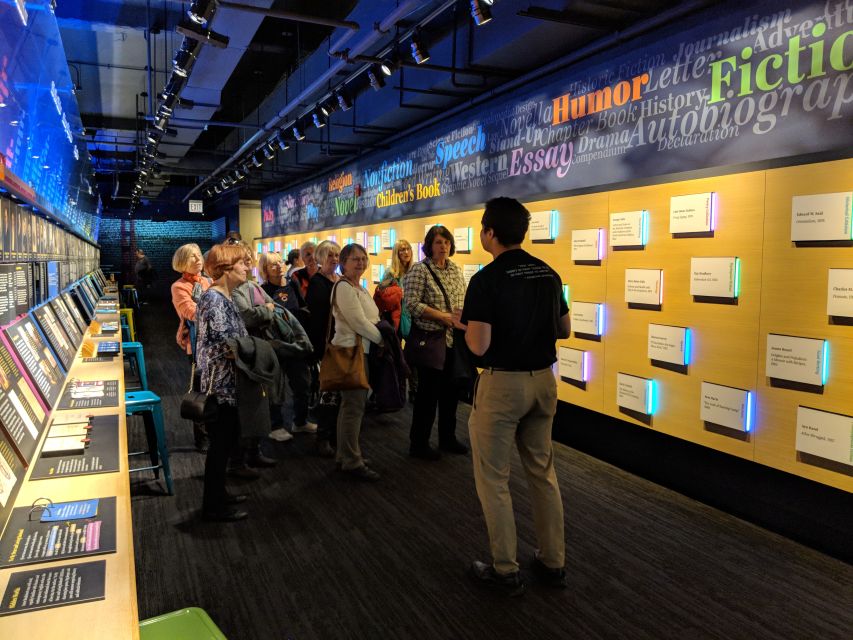
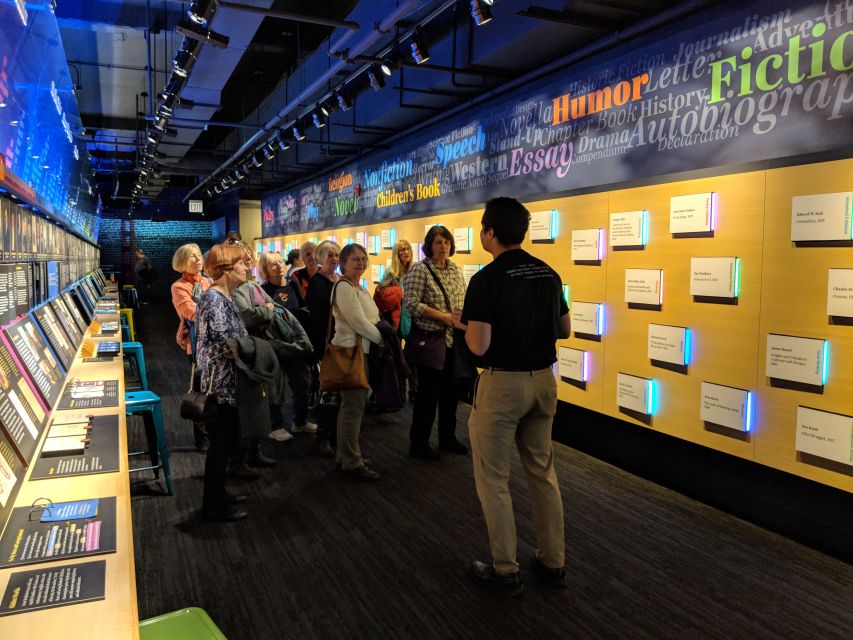
Start in the Nation of Writers Gallery and follow the flow from the interactive timeline. This is where the museum’s whole style becomes clear: writing is presented as something you can touch, trigger, and try, not just something you stare at.
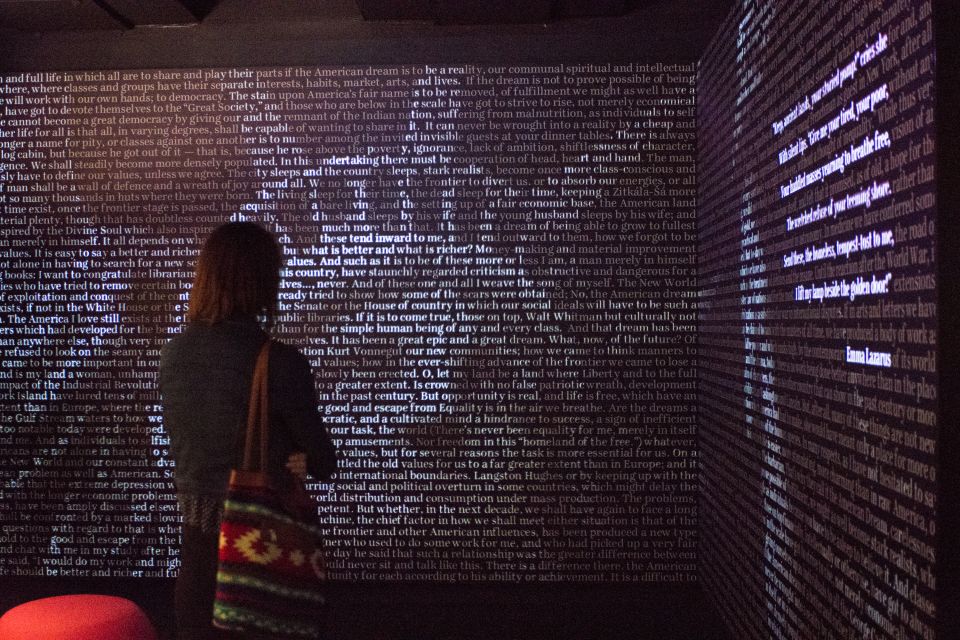
You’ll also encounter video elements and dioramas that set scenes, then you move into word-based interactions like the Word Waterfall. The museum leans on playful language experiences, which is exactly why this works for a range of ages. If you learn better by doing, the format helps you keep moving.
A standout moment is the surprise bookshelf. It is the kind of thing that can slow you down in a good way, because it nudges you to follow curiosity instead of a rigid route. And the “five scenes” interactive setup is built to keep your attention switching between display, activity, and explanation.
One drawback to flag: because the exhibits are interactive and text-heavy in spots, you’ll need comfortable reading time. If you try to rush through, you miss the “aha” parts.
Mind of a Writer Gallery: habits, discipline, and why language matters
Next comes the Mind of a Writer Gallery, which shifts from writers’ output to writers’ thinking. This part is designed to answer a question most museums never ask: how do writers actually get the work done?
The museum highlights the daily discipline and habits needed for writing, plus the deep understanding of language required to make writing sing. In other words, it’s not just inspiration; it’s craft. If you like stories, you still get to enjoy them, but you also get the mechanics behind why good writing lands.
For visitors who are not writers: this is still useful. It helps you notice what you already feel when you read—pace, word choice, structure, clarity—without turning it into a lecture. If you do write, even casually, you’ll likely leave with a clearer sense of process.
Chicago Gallery: authors and journalists shaped by the Windy City
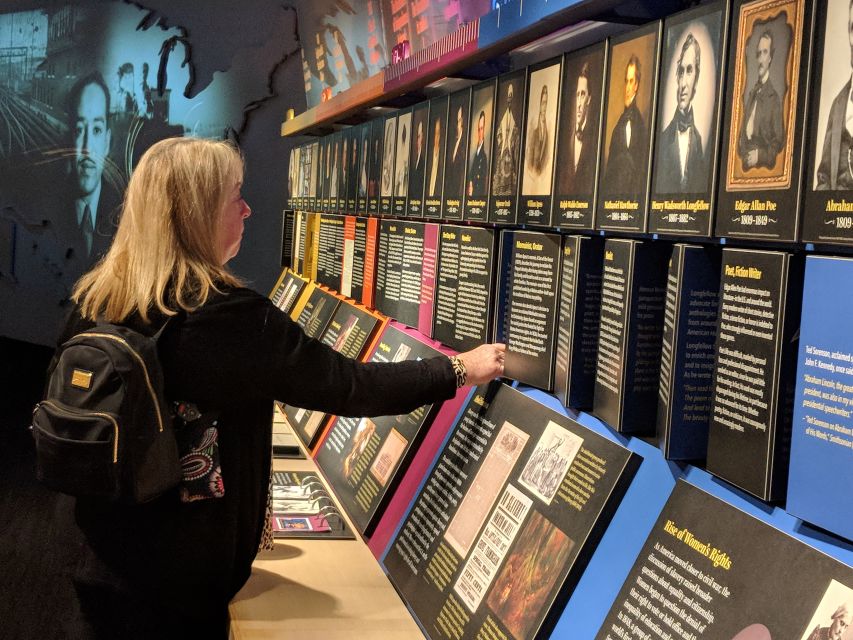
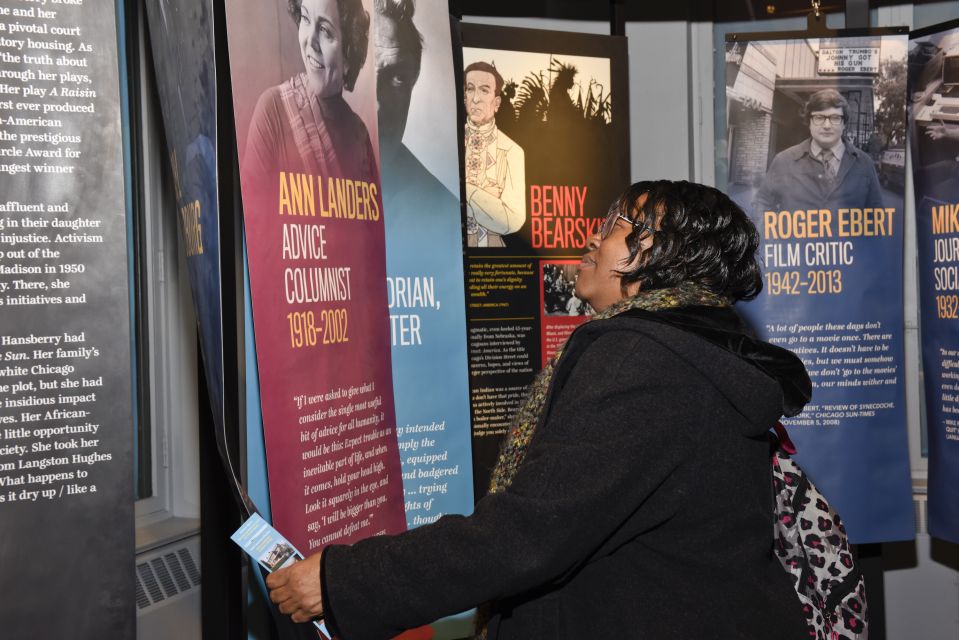
Then you hit the Chicago Gallery, which honors Chicago poets, novelists, journalists, and writers who took inspiration from the city. This is where the museum earns its location. Chicago is not treated like a backdrop; it’s treated like a source of material.
What I like here is the way the museum broadens beyond famous names. You get writers across multiple forms—poetry, fiction, nonfiction, journalism, drama, speeches, and lyrics—so you start seeing writing as a network, not a single lane. Even if you only catch a few panels, the structure makes the connections easier to spot.
It also helps that you start at early writing eras and move forward across more than five centuries. The timeline context makes Chicago’s influence feel earned rather than forced.
You can also read our reviews of more museum experiences in Chicago






Level Up and the reading-and-writing rooms with typewriters
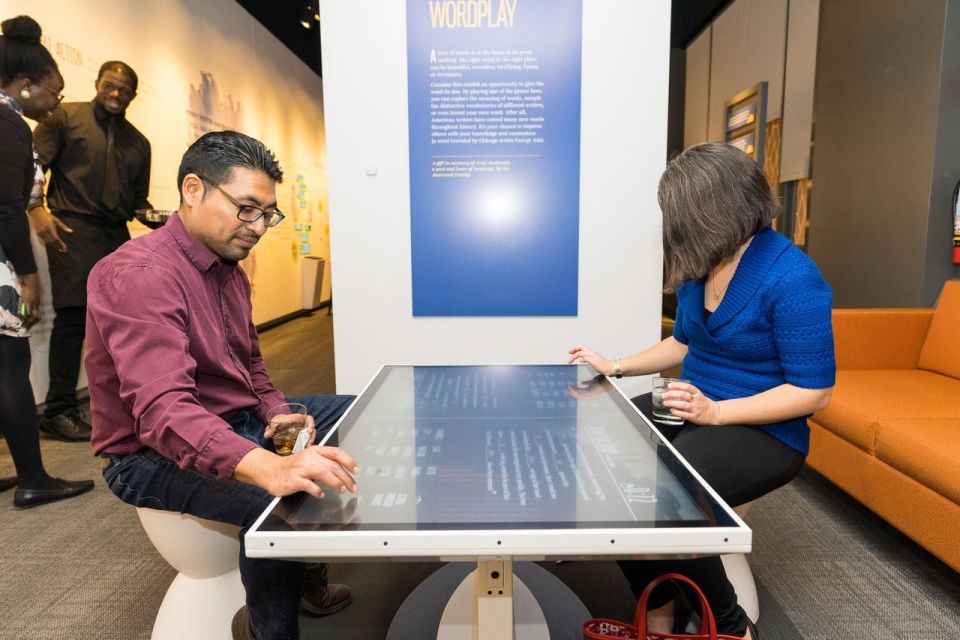
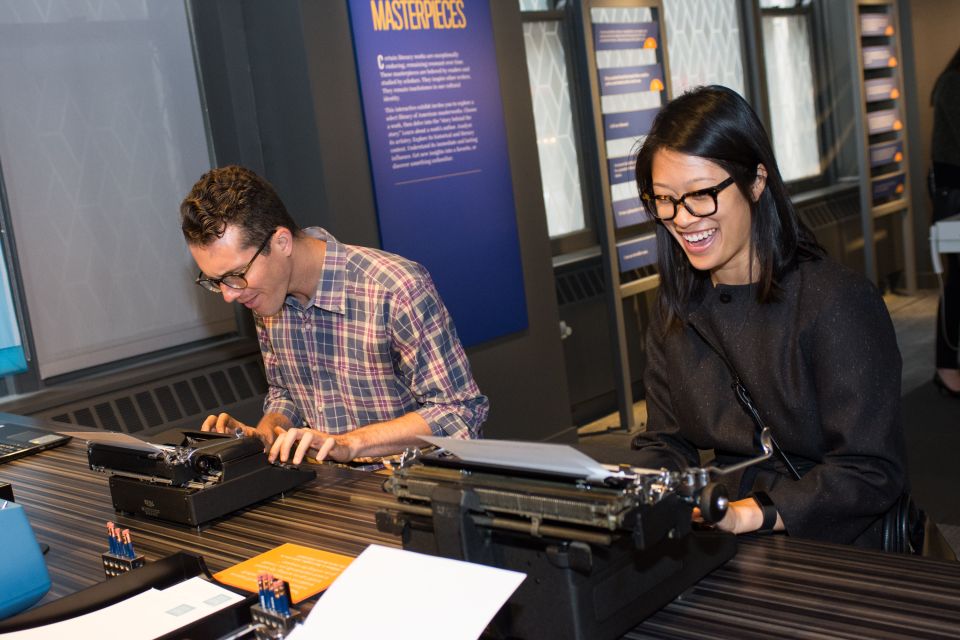
If you want a true hands-on anchor, plan time for the writing experiences. A consistent favorite is the ability to write on vintage typewriters, where you can draft a short story or a poem. That single activity changes the whole tone of the museum, because you stop consuming writing and start producing it.
You’ll also see digital activities alongside the typewriters, which makes the past-to-present connection feel real instead of symbolic. One review highlighted that visitors can post prompts or messages that future visitors can see, which is a small feature with big social impact. It turns the museum into a shared writing space.
There’s also a special exhibit called Level Up, focused on narrative writing in games. One review described it as fun and interactive, with a timeline plus opportunities for character creation and costuming. Even if you do not play games, that’s still a useful way to understand narrative: character, motivation, setting, and the choices that shape story.
If you like reading and writing rooms as concepts, you’ll probably enjoy the museum’s mix of attention-grabbing interactions and calmer reading areas that let you take breaks without leaving the story world.
The Children’s Gallery: reading areas plus interactive space
This is a family-friendly museum in a practical way. There’s a Children’s Gallery with interactive reading space and cozy reading areas, built for younger visitors who learn best by moving, touching, and trying.
Ticket rules are simple for kids: entry is free for children 12 and under, but you still need to reserve a free ticket for them. That matters for planning, because you do not want to show up expecting walk-up entry for kids.
You’ll also see why many families treat this as more than a quick stop. The interactivity is not limited to one corner, and the museum includes reading spaces that help kids settle for longer than you might expect.
How long to plan (and how to pace the self-guided visit)
The museum is small enough that you can get through it in about an hour and a half, if you focus on the big interactive moments and don’t linger at every station. On the other hand, it is also the kind of place where you can spend most of a day if you stop to read panels, replay interactions, and write at the typewriters.
My advice: pick a pace that matches your energy. If you arrive hungry for activity, you’ll love starting with the interactive timeline and Word Waterfall, then moving quickly into writing. If you arrive on a slow, rainy, or reflective mood, let yourself spend extra time in Mind of a Writer and the Chicago Gallery.
The biggest time-savers are the obvious ones. If you want the typewriter activity, don’t treat it as optional. Also, because it is self-guided, your personal route matters, so give yourself a cushion.
When the museum might not be your style
Nothing here is a deal-breaker, but there are a few considerations.
First, the space is compact and one floor, so it can feel tight if you expected a sprawling museum layout. The museum packs a lot into that size, which is also why it can feel overwhelming if you walk fast and skip the text.
Second, there is no guide included. That means you are the guide, and you get the best experience by being willing to read and make choices. If you want a talk-through explanation of every exhibit, you might feel a little shortchanged.
Third, the gift shop area can feel small, so if you plan to shop for author books and related items, give yourself time. Finally, one review mentioned an unpleasant moment at the reception desk. That might be an outlier, but it is still worth knowing so you don’t let a rough start spoil your day.
Who should book this flexible ticket
Book this if you want a Chicago stop that feels like an activity, not a passive museum. It is especially good for:
- Readers who like to understand how writing works
- Writers of any level, because the typewriter time makes the museum practical
- Families, since the Children’s Gallery and interactive format keep kids engaged
- People who want a rainy-day indoor plan that still feels playful
It also works well as part of a broader Chicago itinerary. You can pair it with a library stop or a literary-themed neighborhood walk, because the museum gives you fresh topics to follow afterward.
FAQ
FAQ
How long is the ticket valid?
Your American Writers Museum entry ticket is valid for 14 days. You can enter on your chosen date or any day up to 14 days after.
What are the opening hours?
The museum is open 10:00 A.M. to 5:00 P.M., Thursday through Monday.
Is this ticket self-guided or does it include a tour guide?
It’s self-guided and the ticket does not include a guide.
Can I bring food or drinks inside?
No. Food and drinks are not allowed in the museum.
Do children need a ticket?
Children 12 and under get free entry, but you must reserve a free ticket for them.
Is the museum wheelchair accessible?
Yes. The museum is wheelchair accessible.
Should you book the American Writers Museum flexible date ticket?
If you like hands-on exhibits, writing prompts, and the idea of learning through play, you should book. The flexible 14-day window helps you pick a calm day, and for the price, you get access to the full set of galleries plus special exhibits.
I’d skip it only if you strongly prefer guided interpretation, or if you dislike text-heavy interactive stations. Otherwise, this is one of the easier Chicago museum choices to love, because it turns literature into something you can actually do.